





For many people, hearing the word “cancer” can feel as though the world has suddenly come to a standstill. When diagnosed for the first time, one question often dominates the mind: What will happen now ?
But when the disease returns after a person has begun recovering and returning to a normal life, the pain can feel even deeper. The question changes too: After enduring so much and fighting so hard, why again?
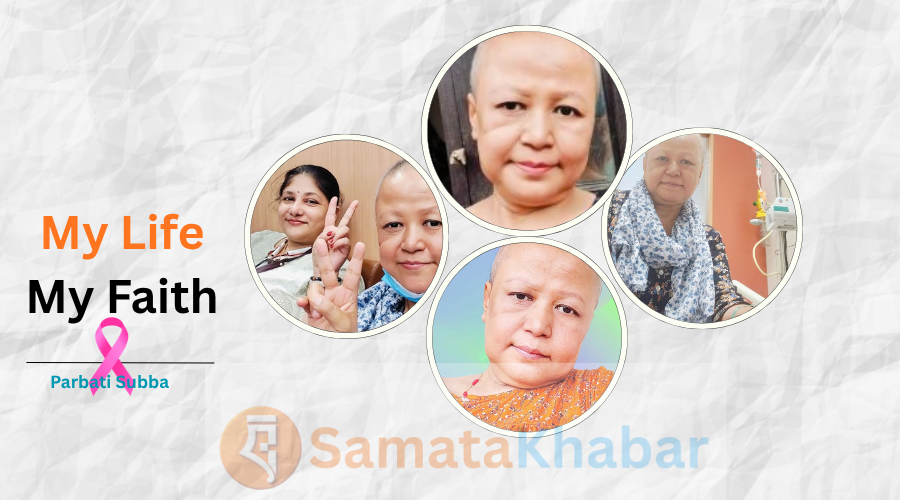
Parbati Subba has faced this question repeatedly. She is herself going through the experience of living with cancer. Her own journey has taught her that the fear of hearing the word “cancer” for the first time is not the same as the pain of hearing it again.
You have to return to the hospital.
You have to wait for the reports again.
You may have to face injections, medication or radiation once more.
You have to deal with changes in your body all over again.
Alongside all of this come the worries of family members and the financial burden of treatment.
Perhaps the hardest part is the uncertainty about the future.
In such circumstances, feeling exhausted is natural. Crying is natural. Sometimes feeling as though you cannot continue is not a sign of weakness; it is simply a human response.
But Parbati’s experience reminds us of something important: the return of cancer is not proof of personal failure. Having to begin treatment again does not mean that the previous struggle was meaningless.
The time gained through earlier treatment, the days lived, the moments spent with family and the experiences learned from life cannot be taken away.
Parbati says that facing cancer repeatedly does not mean a person must always appear strong. There is an equal right to be afraid, to feel tired, to rest, to ask for help and, sometimes, to remain silent.
At the same time, awareness remains important throughout the journey. Regular follow-ups should not be skipped. New or unusual changes in the body should not be ignored. Patients should understand their reports, ask questions of their doctors and, when necessary, seek a second opinion from a specialist.
For her, hope is not simply the sentence, “Everything will be fine.” Hope can also mean doing what is possible today and making tomorrow’s decisions when tomorrow arrives.
Some people respond well to treatment, while others face a longer journey. For some, the path changes repeatedly. Therefore, treatment outcomes should never be used as a measure of someone’s courage.
Parbati’s message is simple: people living with recurrent cancer do not have to keep proving their strength. Sometimes, simply making it through another day is a significant achievement.
We may not be able to control the length of our lives. But we still have the choice to find meaning in each day we are given.
If treatment is needed, let us continue treatment. If we need rest, let us rest. If we need love and support, let us ask for it. If we feel like laughing, let us laugh. If we need to cry, let us cry.
Because cancer may be a difficult chapter in life, but it is not a person’s entire identity.
Parbati Subba’s struggle is not hers alone. It reflects the shared experience of thousands of people who continue to face cancer again and again.
Even when we are forced to walk the same difficult road once more, life does not end there. The journey may become harder and the pace may slow, but there is still room to find new meaning in every day.
 Dalit Identity and the Puzzle of Internal Discrimination
  Arguments For and Against Reservation
  The Reservation Debate and Social Media Discourse
 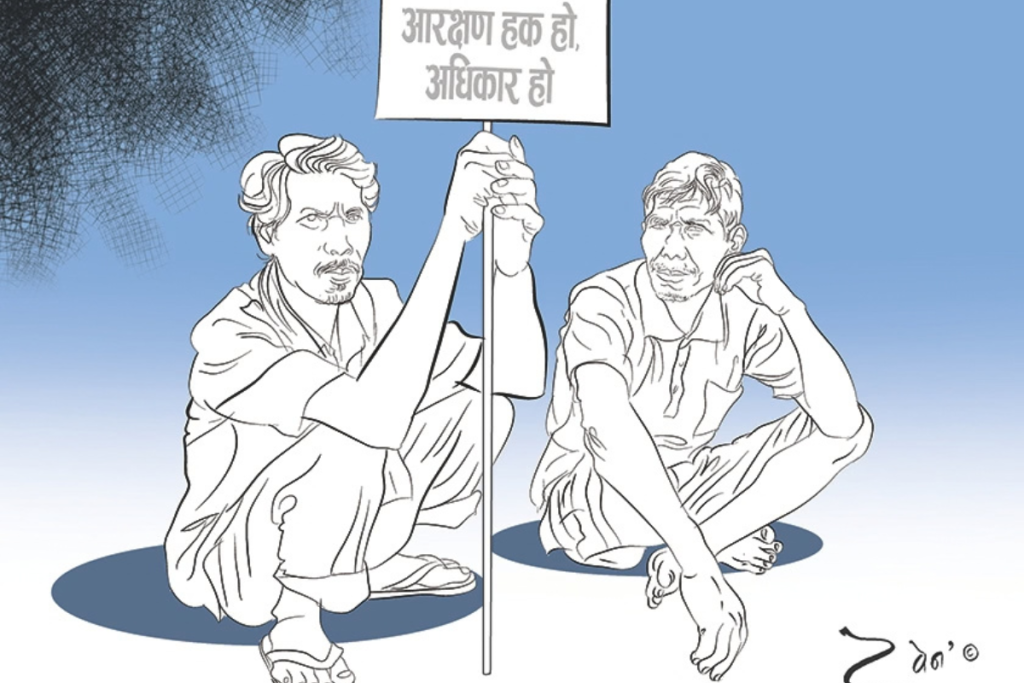 The Meaning of Reservation
  Young People Leaving Under the National Flag, and Those Returning in Coffins
 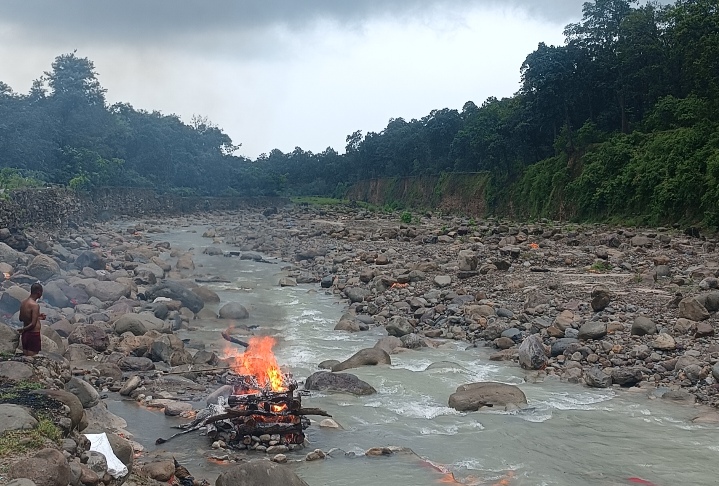 A Powerful Message Against Caste Discrimination: A Chhetri Man Carries a Dalit’s Coffin
 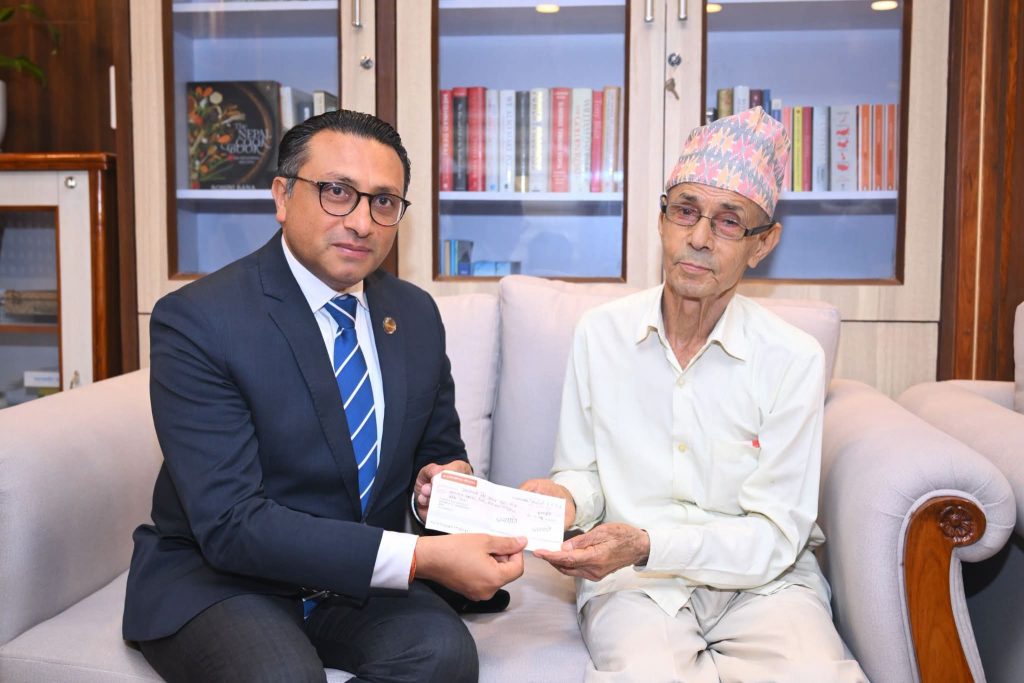 At 78, Dhanapati Bhandari Personally Carries a Cheque to Singha Durbar to Support the Government
 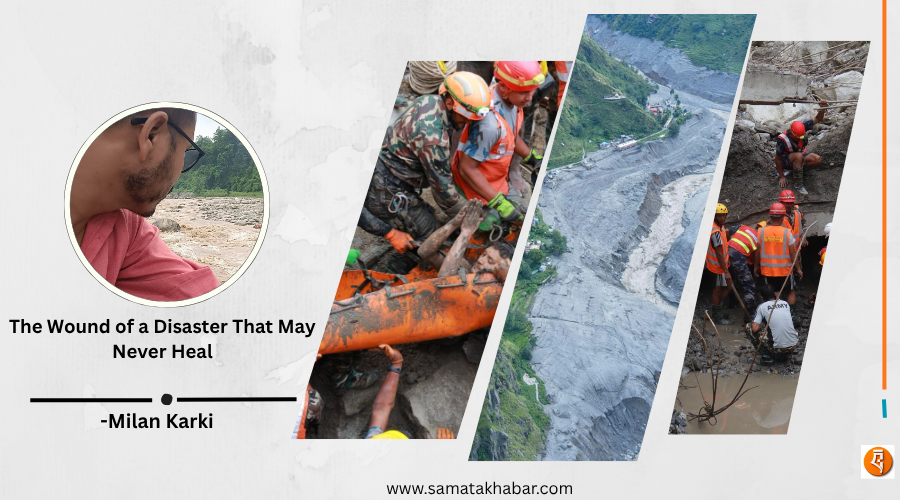 The Wound of a Disaster That May Never Heal