





Kathmandu : Nepal’s state structure and social composition are multi-ethnic, multilingual, multireligious, multi-regional and multicultural. However, an analysis of Nepal’s history of governance shows that state power has long been exercised predominantly by a single ethnic, linguistic, gender and religious group. Even today, there remains a dominant presence of a particular ethnic group in the country’s power structures, resources and opportunities. The state remains largely exclusionary.
The state is a common institution belonging to all. Every citizen and community has a legitimate stake in it. The state must not discriminate against citizens on the basis of religion, gender, caste, descent, colour, origin or any other grounds. Ensuring the fair distribution of state resources and guaranteeing the participation and representation of citizens from all regions, communities and genders in state affairs, thereby bringing them into the mainstream, is the essence of inclusion.
Which Countries Practice Inclusion ?
The state, by its very nature, has a class dimension. According to Lenin, the state is an instrument through which one class exercises power over another. In this sense, communities and social groups often become marginalized not because of their inherent characteristics, but because of discriminatory policies, structures, prejudices and poor systems of governance imposed by the state or ruling classes.
Today, countries around the world have adopted some form of affirmative action or inclusion policy. According to Dr. Yam Bahadur Kisan, such policies commonly take into account factors including caste, ethnicity, community, religion, race, gender, minorities, indigenous peoples, persons with disabilities, age, language, migration and geographical region.
For example, Muslim-majority countries have adopted policies addressing religious considerations involving non-Muslim communities; the United Kingdom and the United States have focused on issues related to migration and class; European countries have adopted measures concerning religion and gender; Switzerland has addressed linguistic representation; while countries in South America and Asia have implemented policies based on caste and community.
So, who should be considered more capable: someone who gets 90 marks after his father prepares the question paper, his uncle conducts the examination and his maternal uncle interviews him—or someone who earns 60 marks entirely through their own effort?
What Is Reservation ?
There is currently intense debate over reservation. Some are campaigning for its abolition, while others are advocating for its continuation. But what exactly is reservation?
According to Indian author and professor Ashwini Deshpande, inclusion is a means of bringing communities and castes that have historically faced discrimination or remain underrepresented in important positions into the mainstream of society and the state. Reservation is only one component of social inclusion or affirmative action.
Reservation is a system adopted for a certain period to bring structurally disadvantaged groups and communities into the national mainstream on an equal footing with others. It is a provision designed to ensure equality within state institutions by creating opportunities or facilities specifically for historically marginalized groups.
The more important question, therefore, is who has actually benefited from reservation.
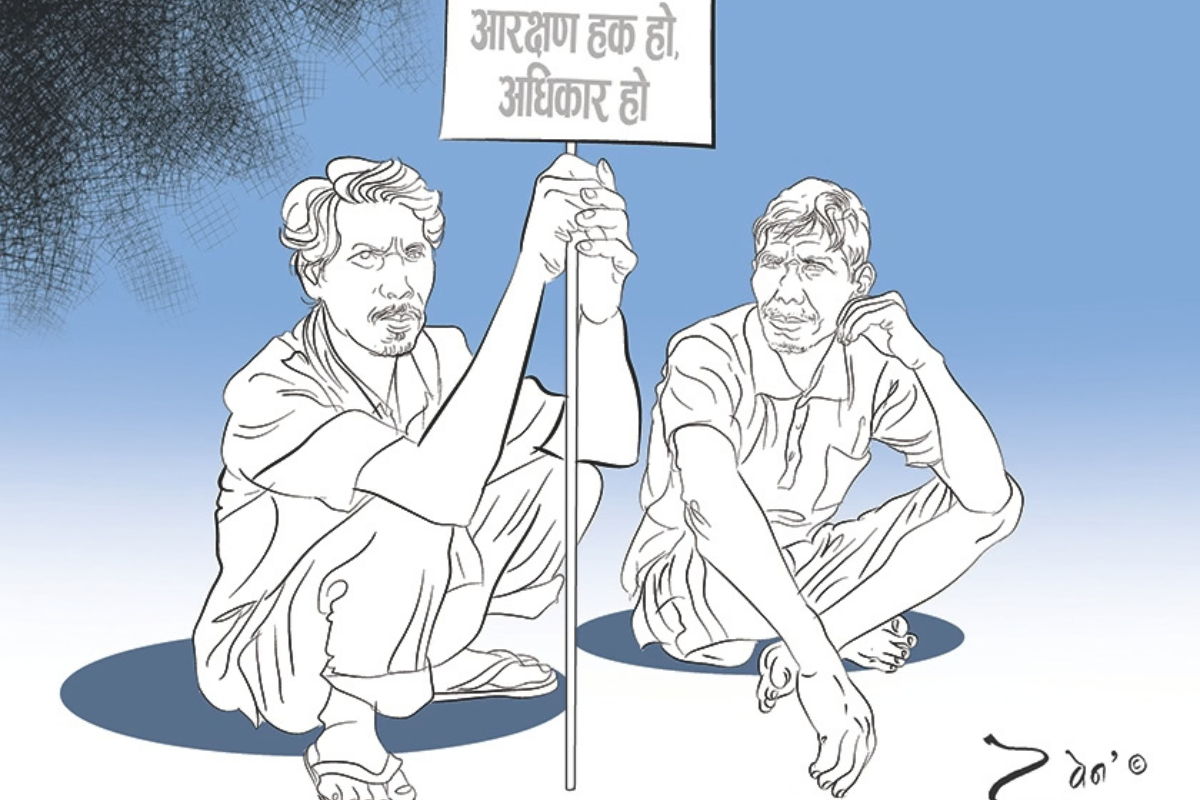
Formally, reservation was implemented in Nepal only about a decade ago. Informally, however, a form of unacknowledged reservation for a dominant ethnic group has existed since the formation of the Nepali state. Yet this has rarely attracted criticism.
Today, some argue that reservation based on caste should be abolished because it could increase caste-based conflict. Various alternatives have also been proposed, particularly reservation based on economic status. However, those making such arguments need to understand the basic purpose of reservation.
First, reservation is about representation, not poverty alleviation. Second, when someone goes to a temple, who is excluded—the poor or those considered “untouchable”? When someone pays to drink tea at a hotel, who may still be asked to wash the glass—the economically disadvantaged person or the Dalit? These questions raise a fundamental issue: who should receive reservation, on what basis and why?
Who Is Capable ?
Every individual grows up through a process of socialization. In other words, people are shaped by the structure, customs, traditions and practices of the society in which they live. What they say and do is influenced by that environment.
Therefore, no one is born inherently capable or incapable. Society plays a significant role in determining whether a person gets opportunities to develop their abilities.
Those who have experienced caste discrimination, untouchability and social exclusion from birth are likely to face disadvantages not only in their social and educational development but also in their psychological well-being. Yet, over time, the same society may label such people as “incapable.”
In reality, capability or incapability is neither determined by caste nor inherited as a genetic trait. It develops through social conditions and the process of socialization. The social environment plays a major role in shaping an individual’s opportunities and abilities.
Those who have been considered “capable” and have dominated the state for roughly 250 years should, by that logic, have transformed the country by now. But what is the condition of the country today? Everyone knows the answer.
So, who should be called capable? Someone who gets 90 marks after his father prepares the question paper, his uncle conducts the examination and his maternal uncle conducts the interview—or someone who earns 60 marks through their own ability and effort?
Let us stop branding people as “incapable” simply because they enter positions that historically belonged to those who dominated them. Over the past decade, which individuals entered state institutions through reservation and demonstrated incompetence? If they are considered incapable based on their performance, let there be scientific and objective evidence to prove it. Otherwise, claims should not be made without facts or evidence.
Inclusion and reservation are not privileges handed out from an individual’s personal pocket. They are a share of opportunities and representation that marginalized communities receive when the state seeks to provide equal rights to all.
The Need for Inclusive Representation
Finally, ensuring proportional and inclusive representation at every level and institution of the state, as provided for by Nepal’s Constitution, remains an important requirement. Acting against the spirit of the Constitution cannot be considered a democratic practice.
Inclusion in Nepal is the result of long struggles, sacrifices and social movements. Once Dalit communities achieve a genuine place in the mainstream of the state, they have no desire to carry the burden of reservation forever.
If there is another effective way to eliminate all forms of caste-based discrimination, the Dalit community does not necessarily insist on reservation. But if no better alternative exists, reservation remains an important option for the present, and its continuation for a defined period is necessary.
However, the state currently appears to be moving toward policies that may undermine the interests of marginalized communities. The recent vacancy announcement published by the Public Service Commission for staffing at the local level is one example cited in this regard.
Statements made by the concerned minister and the chairperson of the Public Service Commission have also raised concerns among advocates of inclusion. There appears to be an effort to roll back provisions related to inclusion that are enshrined in the Constitution.
If such practices continue, how can the vision of a “Prosperous Nepal, Happy Nepali” be achieved ?
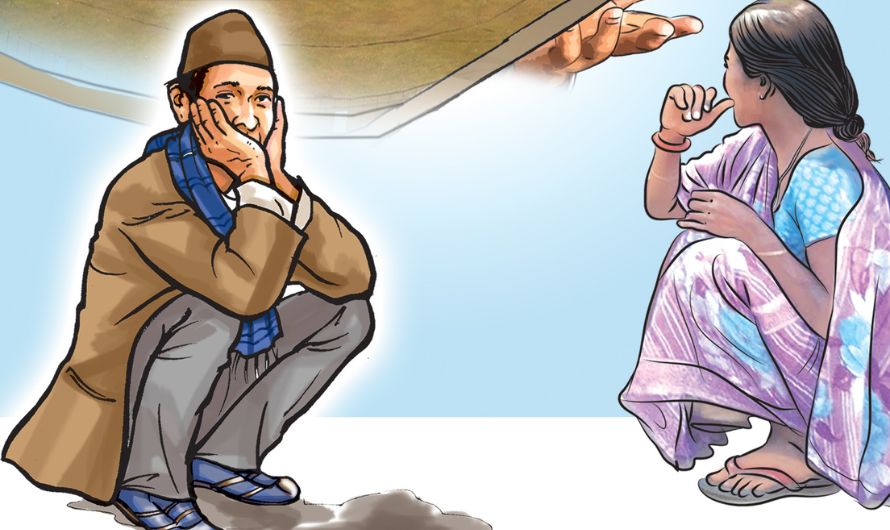 Arguments For and Against Reservation
  The Reservation Debate and Social Media Discourse
 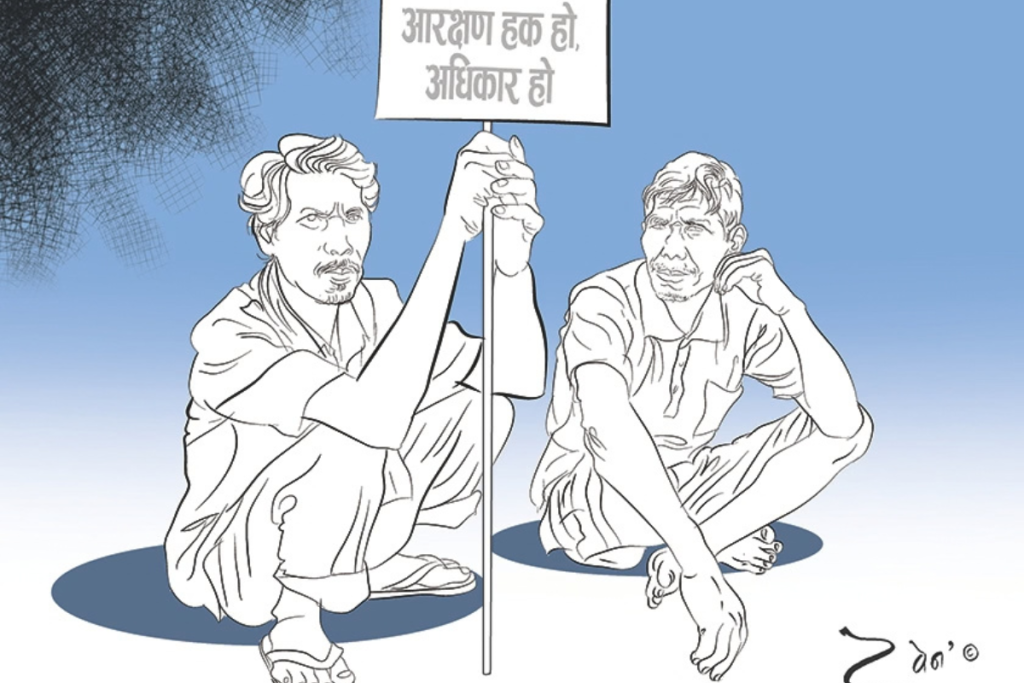 The Meaning of Reservation
 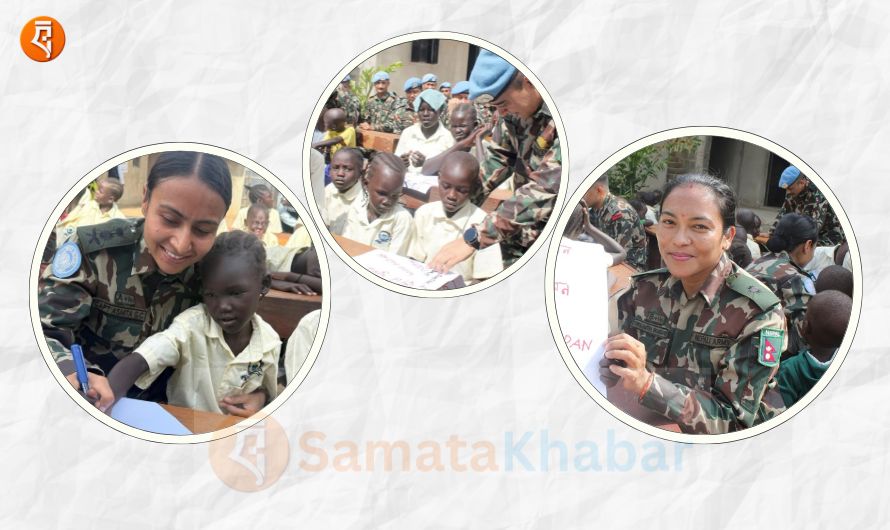 Creative Initiative by Nepali Peacekeepers in South Sudan