



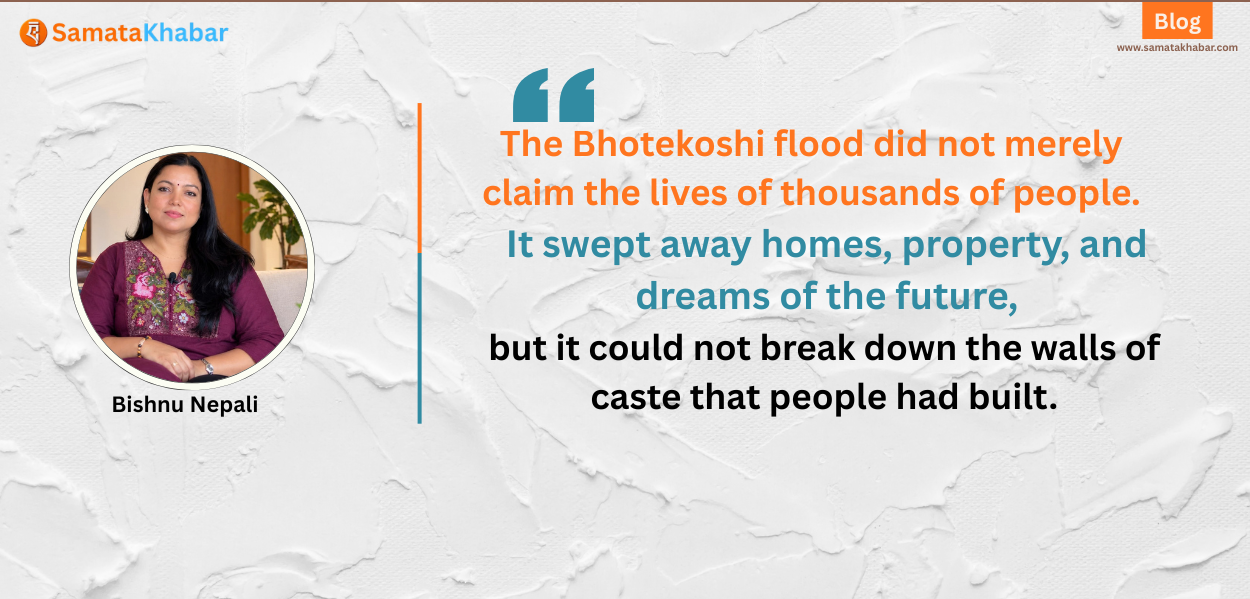
Bidur in Nuwakot, once bustling with people from early morning, is now eerily silent. The places where markets once stood have been reduced to barren stretches of sand and debris. Where houses once stood, there are now heaps of mud. Large stones, timber and debris left behind by the raging Bhotekoshi waters are scattered across courtyards. Some walls have collapsed; some roofs are gone. In some places, only a corner of a house remains, where family members stand searching for traces of the life they once knew.
The devastating flood of Bhadra 10 did not merely sweep away homes. It also washed away a part of people’s lives that can never be brought back. In some homes, fathers are gone; in others, mothers. Some are still waiting for news of their husbands or wives. Somewhere, a mother keeps looking toward the doorway, waiting for her son. Somewhere else, a child who has heard that his father is missing still asks, “When will Baba come home?” But there is no one who can provide a reliable answer.
During a disaster of such magnitude, perhaps the hardest thing is not simply hearing that someone has died. The most painful part is the uncertainty—the state in which there is neither confirmation that a person has died nor news that they are alive.
People whose family members are missing sit clutching their mobile phones—waiting for a call, hoping someone will bring news, listening for a name from the rescue teams, hoping their loved one might be found in a hospital. Their eyes scan every unfamiliar face. Time passes, but the waiting only becomes more unbearable. Only those who live through such pain can truly understand it; how could those merely witnessing it ever fully know ?
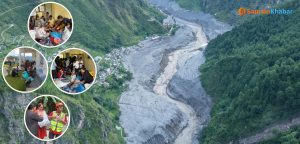
Many mothers’ eyes are still swollen with tears. The tears have not stopped. Their lips are dry, but their eyes have not dried. There has hardly been a day when they have not cried. Perhaps the tears in their eyes will never dry for as long as they live. They open a photograph of their son on their phone and stare at it silently. Whenever someone asks, “Have you found him?”, their eyes fill with tears. They beat their chests and sob uncontrollably.
In some homes, the cooking fire has gone cold. There are cooking utensils, but no one left to eat from them. Even those who survived are in no condition to celebrate their survival. They are searching for meaning in simply being alive.
Thirty-two days ago, on that horrifying morning of Bhadra 10, the faces of countless settlements in Rasuwa, Nuwakot and Dhading changed in an instant. Houses built with years of hard work, property accumulated through a lifetime of struggle, farmland and dreams of a better future were turned into barren stretches by the raging Bhotekoshi. Many lost their loved ones forever. The flood did not carry away only houses, property and farmland; it also swept away the hopes of thousands of people. Perhaps those hopes will not return so easily.
For those who lost their homes, the temporary shelter—the holding centre—is now home. Fatigue is visible on their faces, uncertainty fills their eyes, and one question weighs heavily on their minds: Where do we begin our lives again?
I Arrived Carrying Relief, and Returned Carrying Their Pain
With the aim of supporting families affected by the flood, I reached Bidur, Nuwakot, on the evening of Bhadra 14 with relief materials as part of a joint team that included Women’s Rehabilitation Centre (WOREC), representing Tarangini Foundation.
When we arrived at the holding centre at Shree Sundari Kyurini Secondary School in Gerkhutar, Bidur Municipality–10, silence and a thick fog of grief seemed to hang everywhere. Some faces carried the loneliness of having no home; some eyes were filled with the grief of losing loved ones. Apart from the wet clothes they were wearing, they had almost nothing left.
There were no proper beds to sleep on and no cooking stove of their own. They had food to fill their stomachs, but not the taste of a meal prepared by their mothers. They had a roof over their heads, but not the sense of security and belonging that comes from being under one’s own roof. They were left with one unanswered question: “How will our lives move forward now?”
Amid this despair, Sulochana Khanal of WOREC Nepal, Sarita Dahal of LUM Nepal, Shanti Lama of Shanti Foundation, and Nirmala Kafle, a psychosocial counsellor from Tarangini Foundation, decided to spend the night at the holding centre alongside the flood survivors.
When we reached the temporary shelter, some people were remembering the loved ones they had lost, while others were thinking about the condition of their homes. Some wondered when they would ever be able to return to their communities. Children were trying to adjust to the unfamiliar surroundings, while parents appeared deeply worried about their future.
After the fatigue of a full day’s journey, how could we sleep when the distress and anguish around us were so palpable? We spent the night as witnesses to their pain.
Early the next morning, we distributed safety supplies, sanitary pads, bras and underwear, clothes, slippers, rice and food items to women and adolescent girls at the holding centre.
There was also a government relief distribution line nearby. Those regarded as the influential and well-connected members of society—those who had access and knew how to speak up—stood at the front of the relief queue. They were busy securing not only their own share but also shares for people behind them. Those who were vulnerable, straightforward and unable to speak up remained quietly in line. Women carrying infants and those who were pregnant waited patiently for their turn.
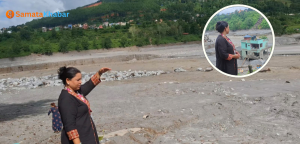
But an even more disturbing scene was visible in some places: separate kitchens were being operated for Dalit and non-Dalit families. We were also informed that in some places, Dalit families were served food only after others had finished eating.
It was a time of disaster. Everyone had lost their homes. Everyone was living in the same temporary shelter. Everyone was surrounded by the same uncertainty. Yet the caste discrimination faced by Dalits laid bare a disturbing reality of Nepali society.
Suffering should have brought people closer. Disaster should have bound everyone together through a shared pain. Yet even while standing in relief lines, sharing food and living in temporary shelters, discrimination had not disappeared.
Amid the muddy waters of the Bhotekoshi and the devastated landscape left behind by the flood, the disaster had swept away everything people in Rasuwa and Nuwakot possessed. But why do the walls of discrimination built by people still stand ?
That question continued to haunt me.
The flood could not even touch those walls, let alone sweep them away.
For a moment, my heart and mind were shaken all at once, like the turbulent waters of the Bhotekoshi. My entire being trembled as if the earth itself had been shaken by an earthquake.
Reconstruction will now begin in Nuwakot, Rasuwa and other affected areas. Houses will be rebuilt. Roads will be restored. Bridges and other infrastructure will rise again.
But when will the wounds inflicted on the dignity of Dalits by discrimination during this painful time of disaster ever heal?
A collective shelter and relief are not merely about food to fill the stomach or clothes to wear; they are also about equal rights and equal treatment.
Treating someone as a second-class citizen because of their caste at a time of suffering inflicts a wound on their dignity that can be deeper than the destruction caused by the flood itself.
For me, who had travelled to Bidur to distribute relief to flood-affected families, witnessing such discrimination was even more painful.
When the flood destroyed someone’s home, it did not ask their caste. When it swept someone away, it did not ask their surname. When it devastated someone’s life, it did not look at their religion or social status.
Then why were Dalits discriminated against in the very shelter where everyone had been brought together?
The flood did not ask, “What is your caste?” It did not ask about religion, wealth or poverty. It did not care about skin colour or appearance.
But seeing people who had lost everything to the flood being separated once again by other human beings simply because of their caste was deeply painful. It broke my heart.
After two days in Bidur, we returned to Kathmandu.
But a part of my heart remained behind with those Dalits who had been forced to live separately, enduring humiliation and discrimination.
 Naresh Admits Using a Saw to Dismember and Dispose of Wife Mamata’s Body
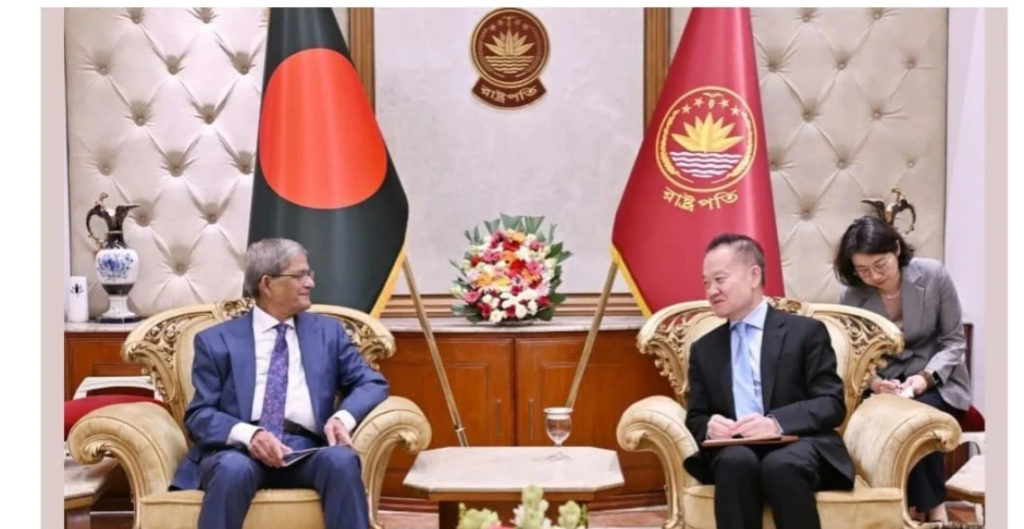 China and Bangladesh Pledge to Stand Together Despite Global Changes
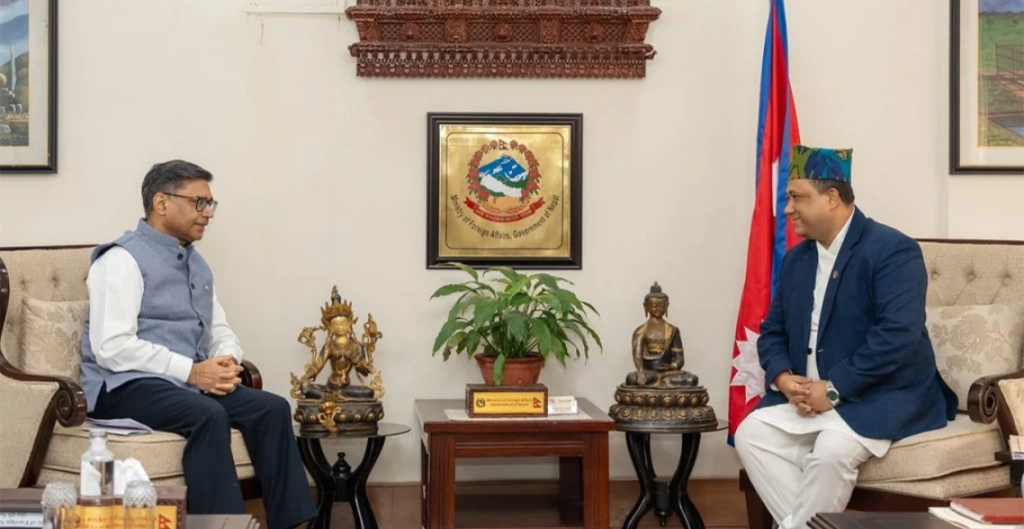 Foreign Minister Khanal Holds Talks with Indian Foreign Secretary Misri
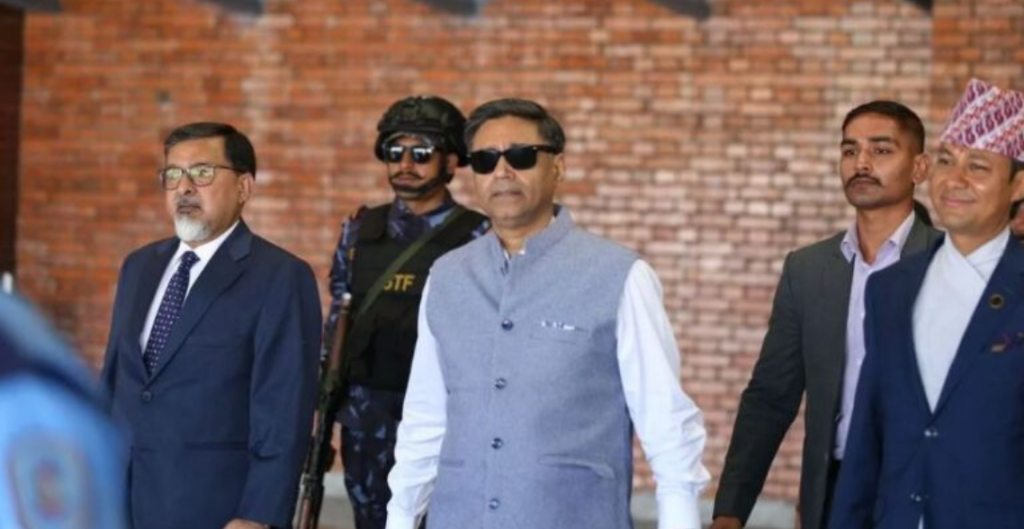 Indian Foreign Secretary Arrives in Kathmandu
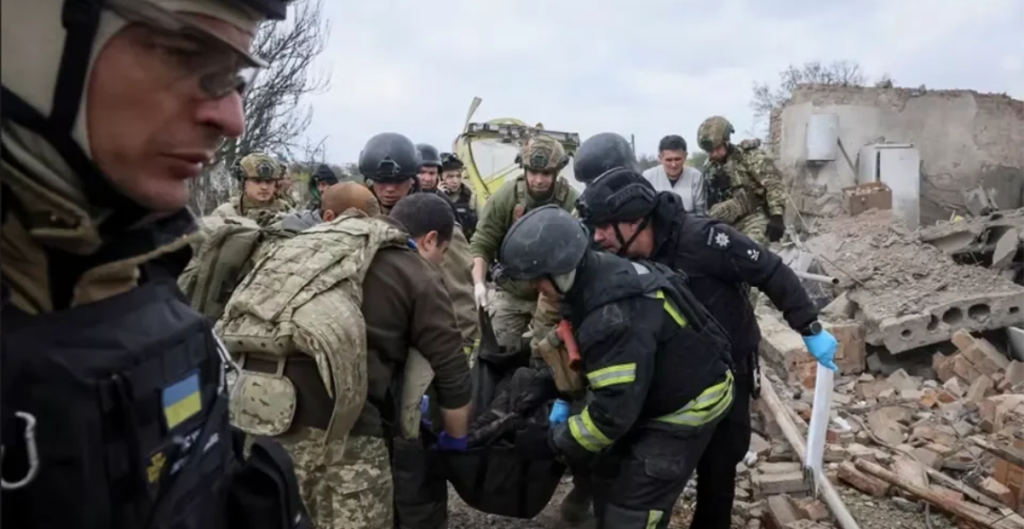 Russian Bombing of School Serving as Aid Centre Kills 33 in Ukraine