





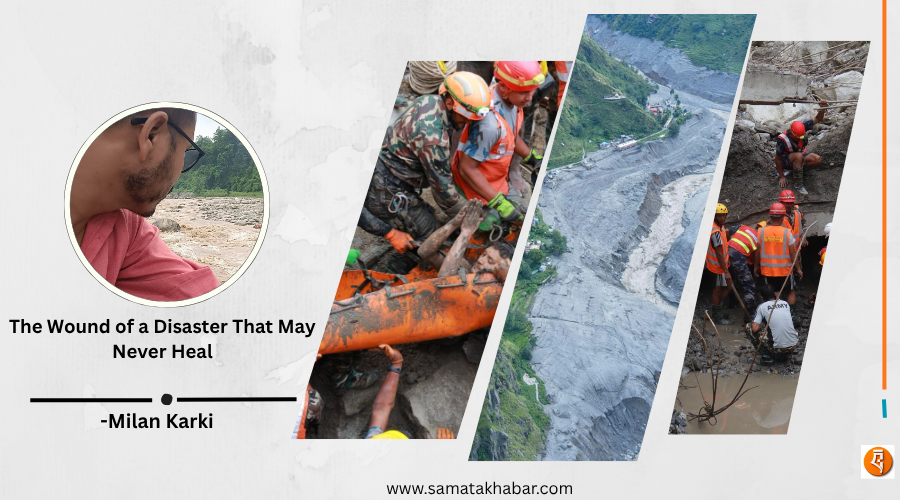
Kathmandu. On the day the Bhotekoshi River in Rasuwa flooded, it was not just the river that surged. The dreams of thousands of people were swept away with it.
For some, homes were washed away. For others, farmland, shops and a lifetime of savings disappeared. But the greatest loss came when the raging flood began carrying people away.
Today, the river may have calmed. Bulldozers may have returned to the roads. Debris may be being cleared. New roads may be under construction, while preparations may be underway to rebuild damaged structures. But how can a family ever be made whole again when one of its members has disappeared?
A house washed away by a flood can be rebuilt.
A damaged road can be repaired.
A bridge can be reconstructed.
A hydropower project can be brought back into operation.
But a son taken from his mother’s arms, a father taken from his children, a husband taken from his wife, or a loved one taken from a family can never be brought back.
That is why the real cost of a disaster cannot be captured by statistics alone.
A death is not merely a number.
Behind every death is a family.
A dream.
A future.
And a wait that may never end.
Waiting for a Phone Call
The most painful scene after a disaster does not always take place at the rescue site. Sometimes it is found inside homes where family members sit holding their mobile phones.
“Will a call come from somewhere?”
“Perhaps they were rescued and taken somewhere else.”
“Maybe they are in a hospital.”
Days pass with such hopes.
But as time goes by, the distance between hope and fear grows deeper.
For the families of the missing, every knock on the door makes their hearts tremble. Every unfamiliar phone number brings a moment of hope. And when the news turns out to be wrong, the world becomes dark again.
No relief package can ease such pain.
There Was Life Even in the Darkness of the Tunnel
Amid the darkness of this disaster, two workers were rescued alive from the tunnel of the Trishuli-3A hydropower project after nine days.
After struggling for their lives inside the dark tunnel for nine days, their emergence into the outside world offered a moment of hope to a society overwhelmed by grief.
The story of Sanjay Sah is particularly moving. He had become trapped inside the tunnel while trying to save the lives of others. His effort to get others to safety before thinking of his own survival showed that humanity remains alive even in the midst of disaster.
At a time dominated by news of death, the rescue of even one person alive carries a powerful message—as long as there is hope, the search must not stop.
The Struggle Continues Even After the Rescue Ends
The end of a disaster does not mean the end of suffering.
When the floodwaters recede, the first chapter of the disaster comes to an end. Then begins another long struggle—returning home, supporting the family, finding employment, sending children back to school and rebuilding a normal life.
But “normal life” does not look the same for everyone.
Some have a house, but no one inside it.
Some have farmland, but no hands left to cultivate it.
Some have a shop, but no customers.
Some have their lives, but not the person they loved most.
This is the wound a disaster leaves behind—a wound that may never fully heal.
Now the Question Is Not Only About Relief
After a disaster, relief is necessary. Rescue is essential. Reconstruction must be carried out. But the state’s responsibility does not end there.
Now is the time to ask—how prepared are we when such disasters strike?
How safe are settlements along riverbanks?
How effective are our early-warning systems?
What kind of emergency safety plans are in place for workers inside hydropower projects and tunnels?
Are sufficient technologies and rescue equipment available?
How will missing citizens be searched for after a disaster, and how will their families receive psychosocial support and rehabilitation?
The answers to these questions must be found not after the next disaster strikes, but before it happens.
Because while nature may not always be controllable, the scale of the damage can be reduced.
Floodwaters gradually recede.
Mud dries.
Debris is cleared.
Roads are rebuilt.
Houses rise again.
Time may perhaps heal the wounds that can be seen from the outside.
But what about the wounds left in the hearts of those who have lost their loved ones?
No bulldozer can reach there, and no reconstruction budget can fill that void.
They learn to live with that wound.
Therefore, after a disaster, we must not count only how many people died, how many houses were swept away and how many crores worth of property were destroyed.
We must also remember this:
Every ruined house contains a story.
Behind every missing person is a family.
Behind every death is an unfinished dream.
And within every successful rescue is a profound hope.
The wound of a disaster may not always be visible, but its pain can survive for generations.
Therefore, the priority now must not be reconstruction alone.
There must also be preparedness to ensure that such suffering is never repeated.
Because damaged structures can be rebuilt, but a life swept away can never be brought back.
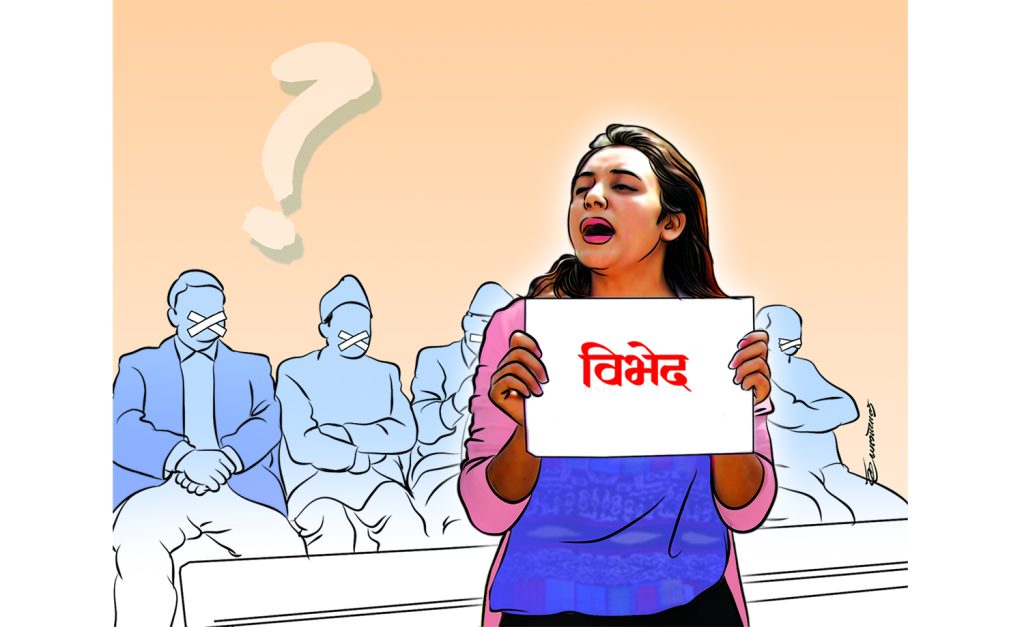 Dalit Identity and the Puzzle of Internal Discrimination
  Arguments For and Against Reservation
  The Reservation Debate and Social Media Discourse
 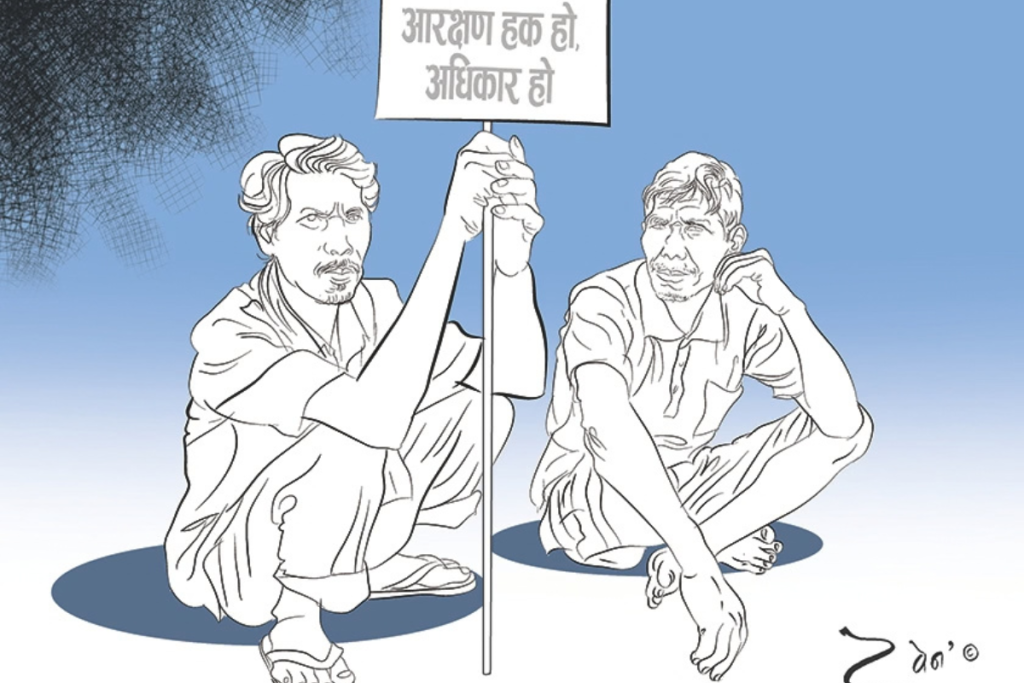 The Meaning of Reservation
 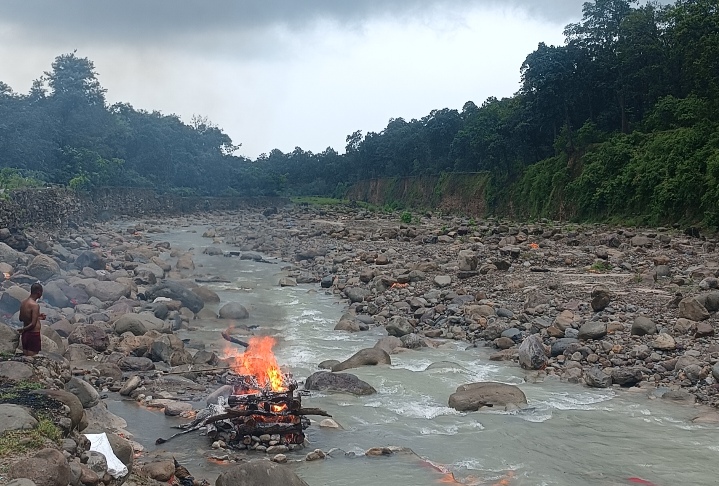 A Powerful Message Against Caste Discrimination: A Chhetri Man Carries a Dalit’s Coffin
 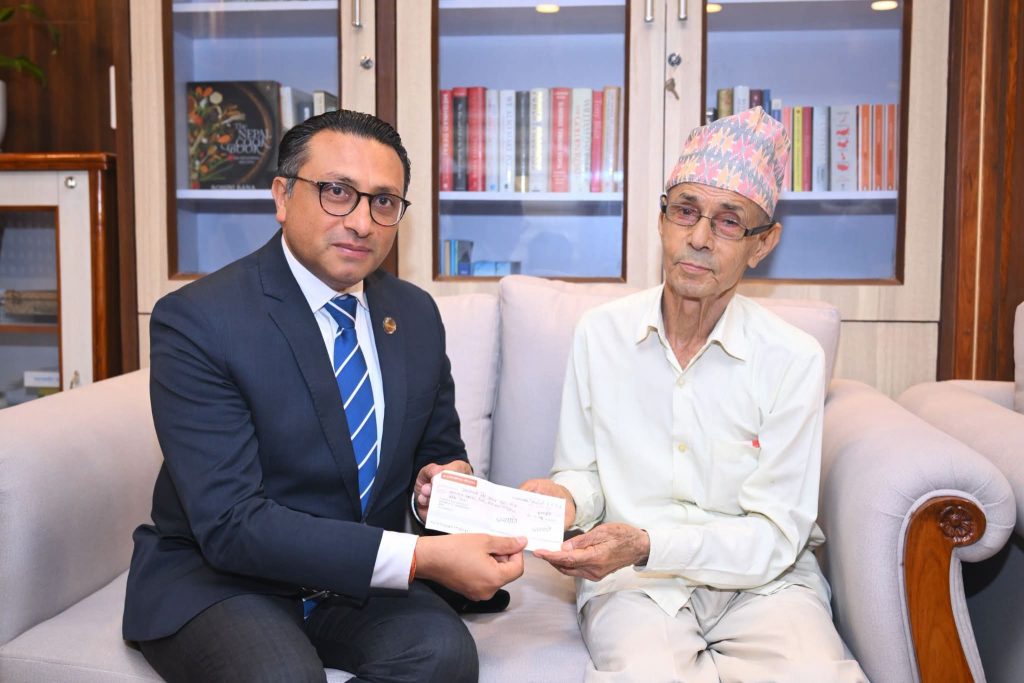 At 78, Dhanapati Bhandari Personally Carries a Cheque to Singha Durbar to Support the Government
 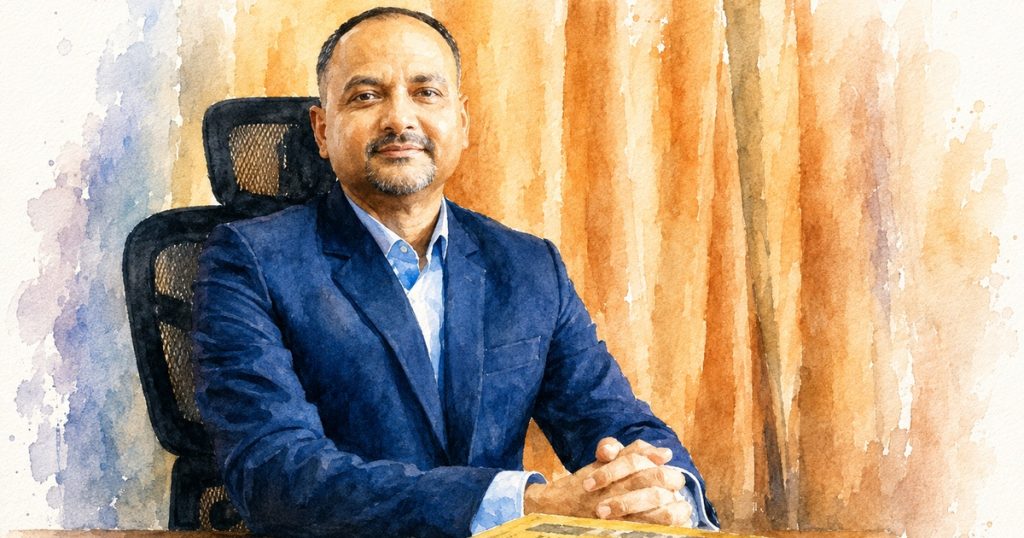 Young People Leaving Under the National Flag, and Those Returning in Coffins