



From the outside, Nepali society appears simple, beautiful, and civilized. But when examined from within, it reveals itself to be deeply complex and full of contradictions. People speak of equality but practice discrimination. They sing the praises of humanity while judging people by their caste, religion, class, and social status. In this society, those who appear good often receive more attention than those who are genuinely good, while people who make lies sound convincing are praised more than those who speak the truth.
In our society, a person’s identity is often valued more than their character. Rather than considering what a person thinks, what they have done, or what they have contributed to society, people judge their social standing by their caste, wealth, position, and connections. The honesty of the poor is dismissed as a necessity, while the mistakes of the wealthy are concealed by their influence and power. The voices of the marginalized are ignored, while efforts are made to justify even the wrong decisions of the powerful.
The irony is that we talk about modernity while continuing to carry the walls of old prejudices in our minds. We aspire to advance in science and technology, yet we struggle to accept people simply as human beings. We enshrine equality in our Constitution and raise slogans of inclusion in our speeches, but when distributing opportunities and respect, we apply different standards to those we consider our own and those we regard as outsiders.
In Nepali society, people who speak the truth are not always popular. Sometimes, those who tell the truth are considered wrong because their words threaten the interests of many. Those who seek to change society are questioned, while those who hold society back are readily accepted. People who raise their voices against injustice are labeled rebels, while those who silently endure injustice are considered sensible.
Relationships, too, are sometimes tied together by threads of self-interest. Those who come close when they need something drift away once their interests are fulfilled. Those who praise someone during success begin to criticize them when they fail. Behind a smiling face, a different story may be unfolding. Therefore, not every smile is a sign of genuine affection, nor is every silence proof of weakness.
This very hypocrisy in society exposes the gap between our thoughts and our actions. We speak of equality but continue to perpetuate discrimination. We say that truth must be respected, yet reject it when it threatens our own interests. We envision a civilized society but fail to ensure respect for the dignity and rights of others.
True civilization is reflected not in outward appearances but in behavior. A person’s worth should be determined by their character and actions, not by their caste, wealth, position, or connections. If we want to change society, we must begin by questioning our own thoughts and behavior before pointing out the weaknesses of others.
Ultimately, the true character of a society is measured not by how often it speak
 Naresh Admits Using a Saw to Dismember and Dispose of Wife Mamata’s Body
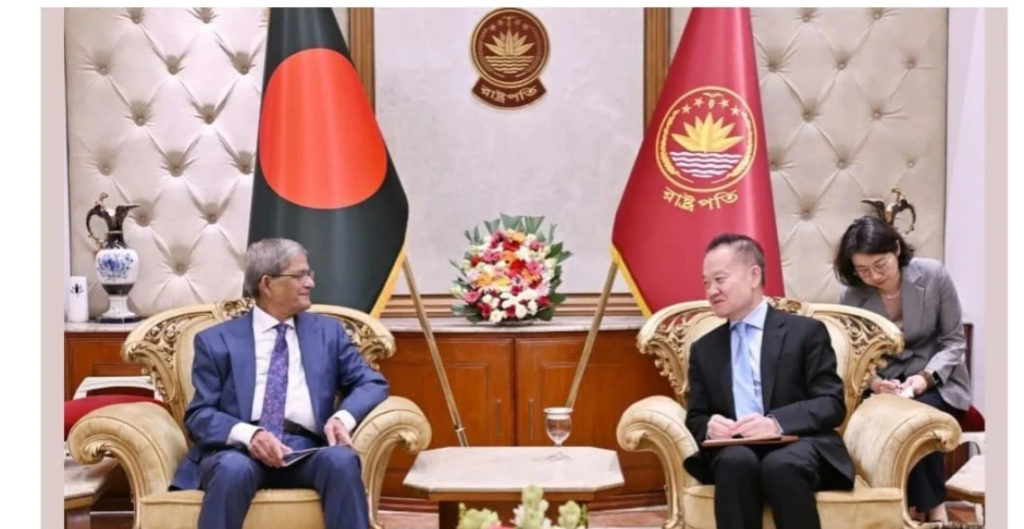 China and Bangladesh Pledge to Stand Together Despite Global Changes
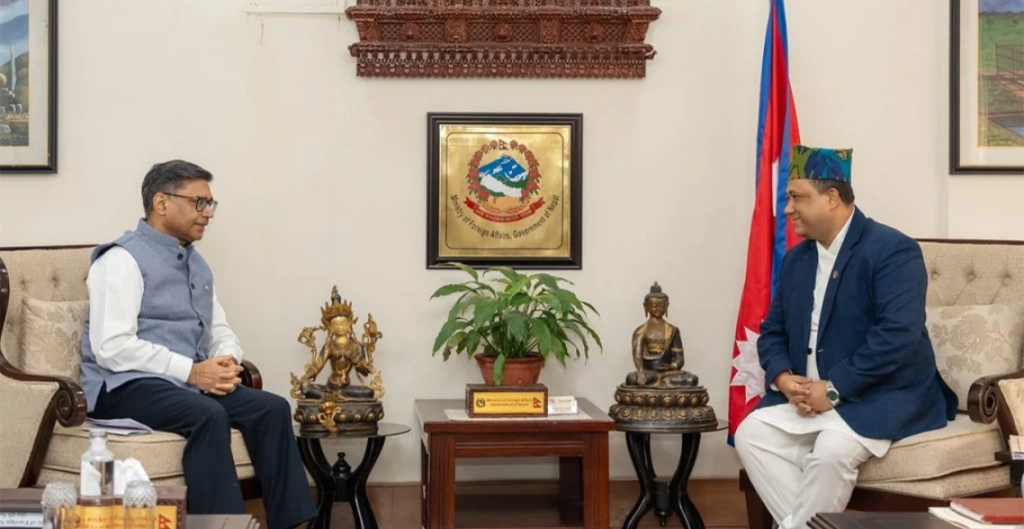 Foreign Minister Khanal Holds Talks with Indian Foreign Secretary Misri
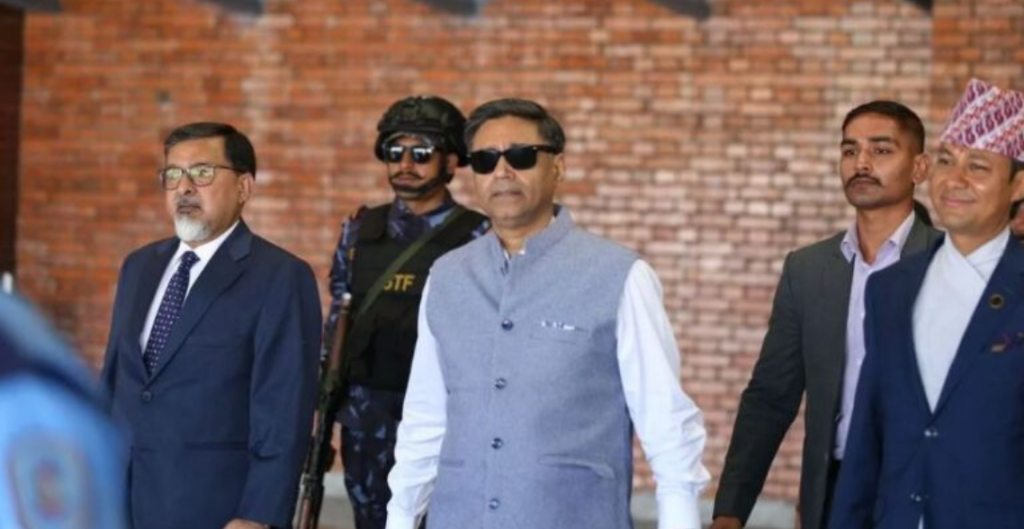 Indian Foreign Secretary Arrives in Kathmandu
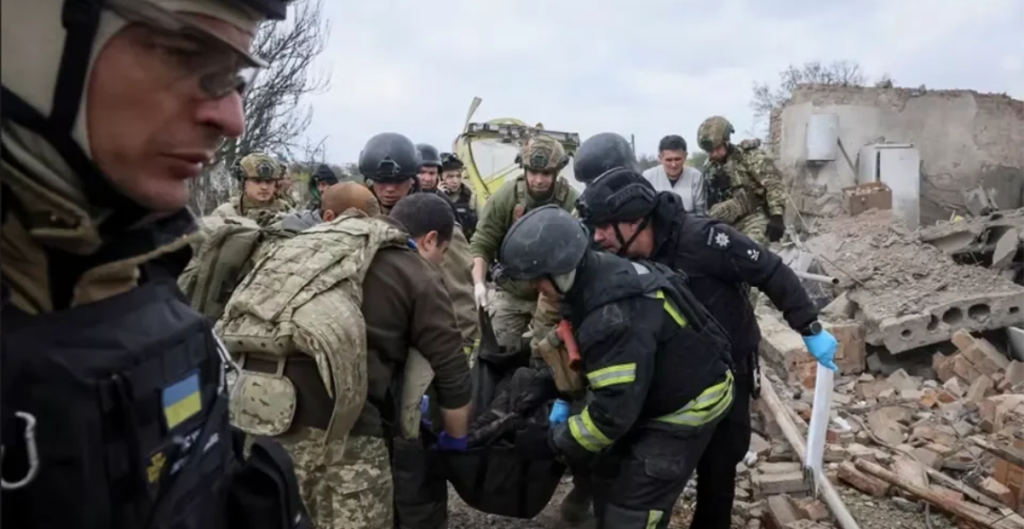 Russian Bombing of School Serving as Aid Centre Kills 33 in Ukraine