




Kathmandu : Millions of people live in rented accommodation in Kathmandu. For many, the city is a center of employment, education and opportunity. Yet Dalit tenants in the same city say they continue to face discrimination and humiliation based on their caste—from finding a room to being allowed to live in one.
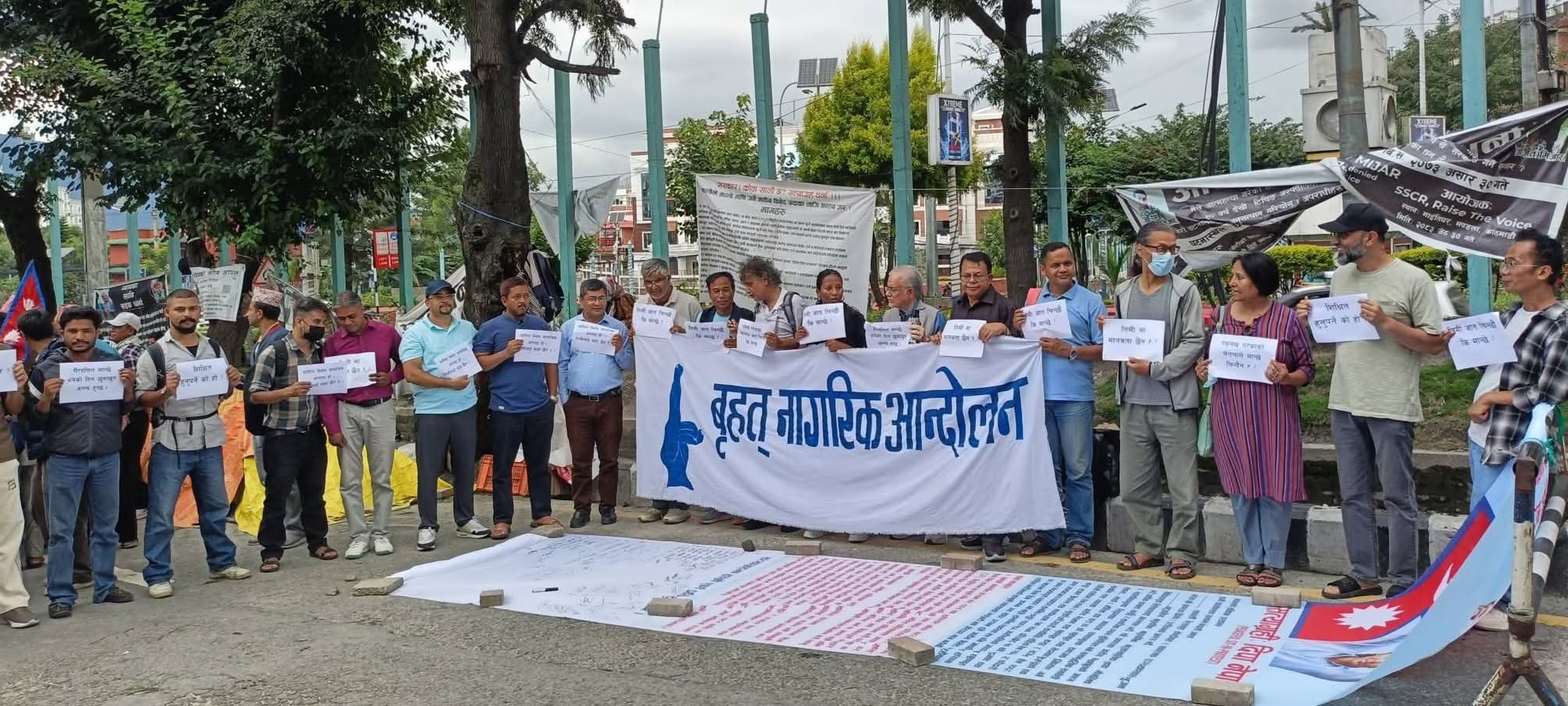
In protest against such discrimination, young rights activist Dipa Nepali has been staging a continuous hunger strike at Maitighar Mandala in Kathmandu for 112 days. Since Baisakh, she has been holding a daily protest under the central slogan, “Government, Is There a Room Available?”
Her main demands include an end to caste-based discrimination and humiliation against Dalit tenants, effective implementation of existing laws, and the introduction of necessary new legal provisions in line with the spirit of the Constitution.
Discrimination Begins While Searching for a Room
Nepali, who came to Kathmandu from Kailali in Sudurpaschim for higher education, is also a student of literature and law. She has said that she experienced discrimination from the very beginning, including being forced to leave a rented room because of her caste.
After facing caste-based discrimination and humiliation from a landlord, she sought legal remedies. However, rather than treating her experience as merely a personal grievance, she has raised it as a shared problem faced by thousands and even millions of Dalits living in rented accommodation in Kathmandu and other cities across the country.
The question at the heart of Dipa’s hunger strike is simple—if the city belongs to everyone, why do Dalits still struggle to rent a room simply because of their caste?
The Law Exists, But Where Is the Implementation ?
Nepal’s Constitution prohibits caste-based discrimination and untouchability. Legal provisions against caste discrimination and untouchability are also in place. Yet the repeated incidents of landlords refusing to rent rooms, evicting tenants, humiliating them and discriminating against them based on caste have raised questions about the effectiveness of these laws.
The persistence of caste discrimination in the heart of Kathmandu, a modern city of the 21st century, and the lack of visible and effective state intervention to end it constitute a serious social question.
The hunger strike chosen by Dipa is a form of resistance to this reality. After repeatedly experiencing discrimination while searching for accommodation, she chose the path of nonviolent struggle.
Not Just a Dalit Issue, But a Shared Urban Issue
Kathmandu has a large population of tenants. People from different parts of the country come to the capital for education, employment and opportunities, making rented accommodation essential for many of them.
Therefore, the right to find accommodation, the right to live with dignity and the right to a life free from discrimination are not issues limited to any single community.
However, the direct burden of caste discrimination continues to fall disproportionately on the Dalit community.
The caste system is not merely an injustice against Dalits; it is also an obstacle to the progress of society as a whole. As long as social attitudes that determine a person’s ability, rights and dignity based on caste persist, the goals of democracy, equality and social justice cannot be fully achieved.
The Questions Raised by 112 Days of Protest
Dipa Nepali’s 112-day hunger strike at Maitighar Mandala has turned an individual experience of discrimination into a subject of public debate.
Whose city is this ?
Why do 3 million tenants live here ?
And who continues to harass millions of Dalit tenants ?
The time has come for these questions to be answered not only by Dipa, but by both the state and society.
Dipa’s movement has pushed the struggle against caste discrimination beyond individual incidents toward broader policy and structural questions. The issue is no longer simply that a Dalit woman was denied a room—it is about how the state can guarantee every citizen’s right to live in the city with equal rights.
Dipa’s hunger strike is seeking an answer to that very question. For the thousands and millions of people who continue to experience discrimination like her, the struggle is becoming far more than one individual’s voice—it is emerging as a larger social question.
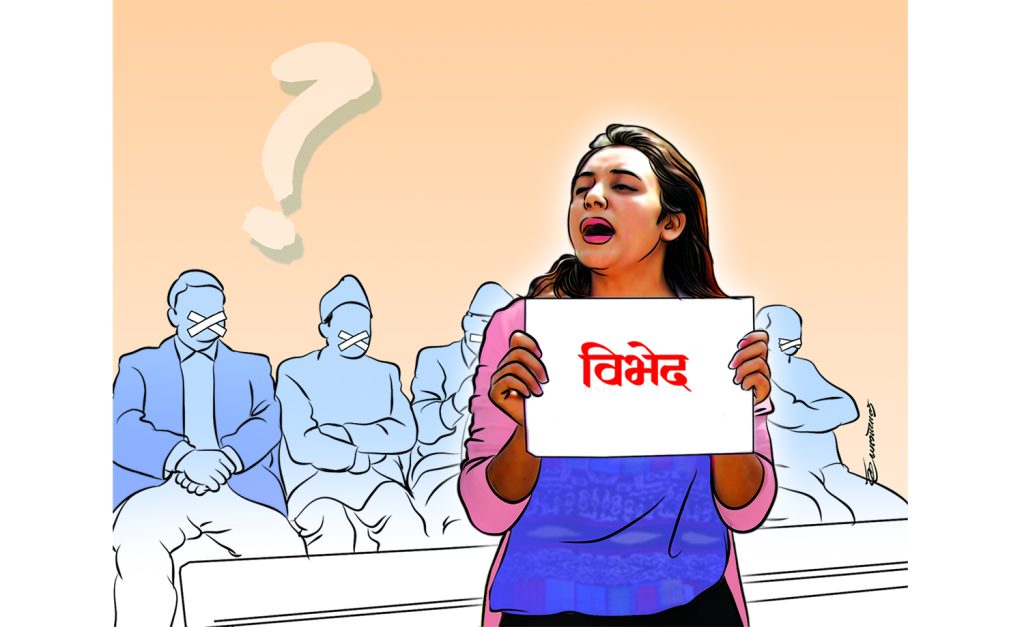 Dalit Identity and the Puzzle of Internal Discrimination
 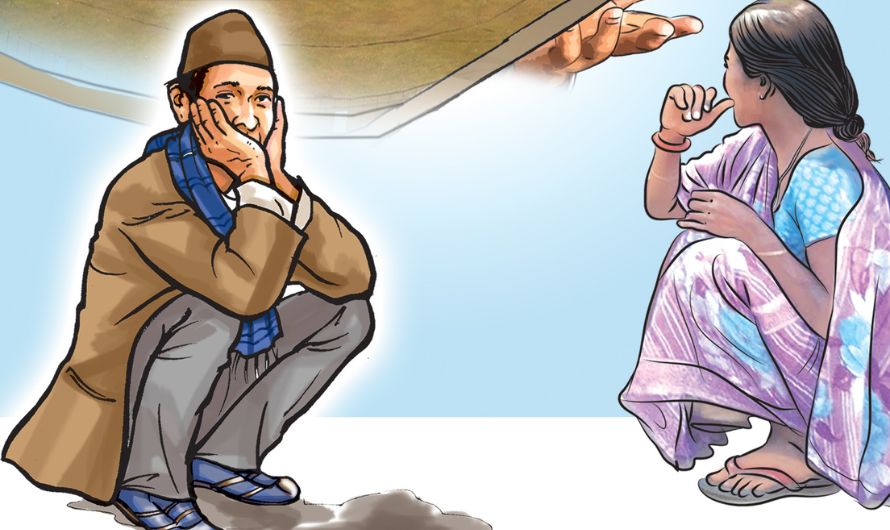 Arguments For and Against Reservation
  The Reservation Debate and Social Media Discourse
 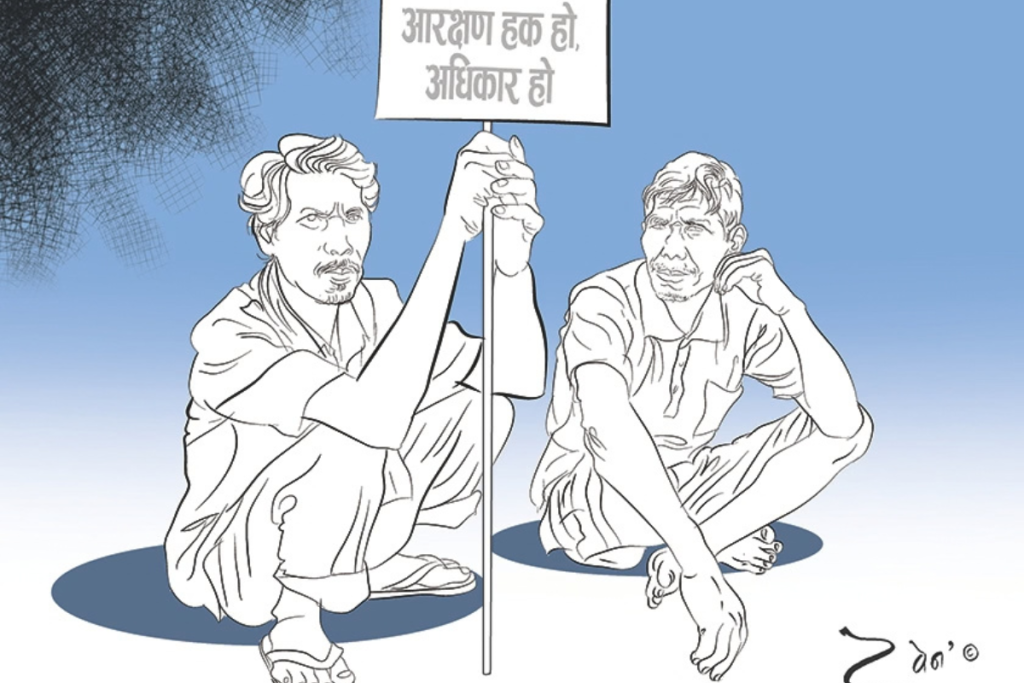 The Meaning of Reservation
 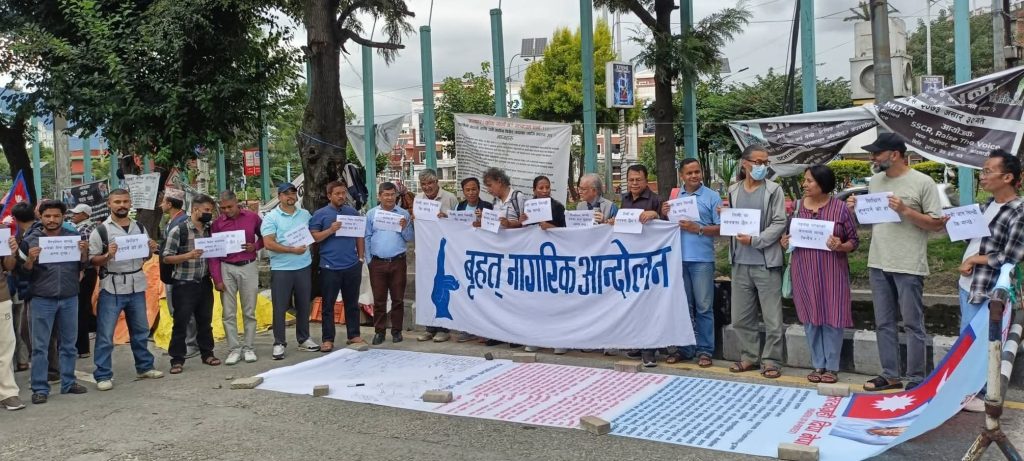 Why Do Dalits Still Face Caste Discrimination in Kathmandu ?
 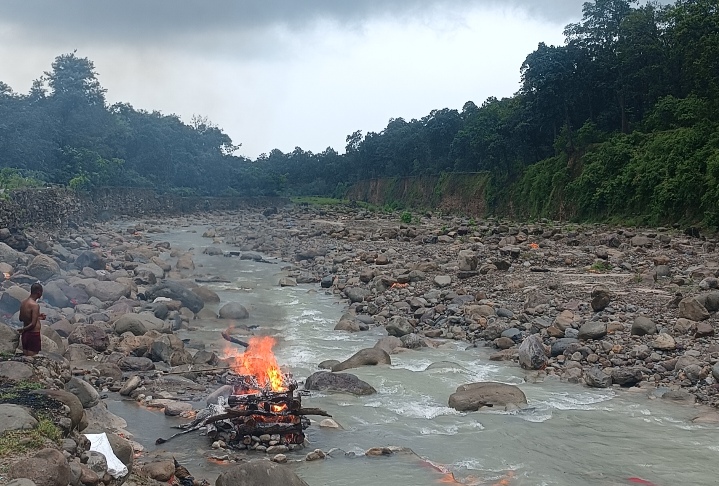 A Powerful Message Against Caste Discrimination: A Chhetri Man Carries a Dalit’s Coffin