




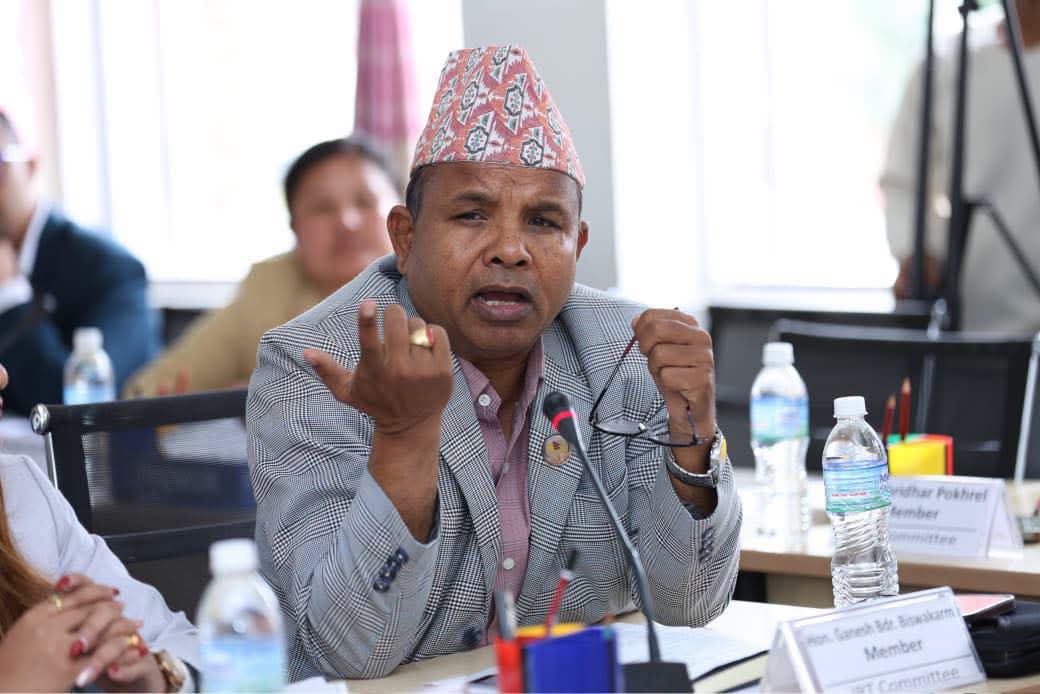
Kathmandu: After a 36-year political journey marked by four unsuccessful proportional representation opportunities, veteran Dalit rights activist Ganesh Bishwakarma has finally entered Nepal’s Federal Parliament following years of persistent political and social struggle.
Bishwakarma had been considered a potential parliamentary candidate since the first Constituent Assembly election in 2008. He was included in the proportional representation list of the CPN-UML, but was not selected under the party’s internal selection process.
The situation remained unchanged in the 2013 second Constituent Assembly election. Although his name again appeared on the proportional representation list, he did not secure a parliamentary seat.
In the 2017 House of Representatives election, Bishwakarma was once again included in the CPN-UML’s proportional representation list. This time, however, legal provisions requiring the inclusion of women in the Dalit quota prevented him from being selected.
In the 2022 election, he was ranked first in the Dalit category on the proportional representation list of the CPN (Unified Socialist). However, the party failed to cross the electoral threshold, once again keeping him out of Parliament.
For Bishwakarma, reaching the doors of Parliament four times only to return without a seat was more than a series of political setbacks. It was also an experience shaped by systemic barriers and what he viewed as inadequate attention from political leadership.
The 2026 House of Representatives election finally ended his long wait. After being recommended as the first priority candidate in the Dalit category under the proportional representation list of the Nepali Communist Party, Bishwakarma entered the Federal Parliament.
From Model Parliament to Real Parliament
Born in 2027 BS in Deval, Ward 9 of Jayaprithvi Municipality, Bajhang, Sudurpaschim Province, 56-year-old Bishwakarma is known not only as a politician but also as a social activist and ideological leader.
Through the National Dalit Network (RDN), which he established in 2000, he led campaigns for Dalit rights. In 2003, he launched the “Model Dalit Parliament,” an initiative that became one of his notable experiments. The model parliament was held 14 times, with Bishwakarma serving as its speaker.
The model parliaments, often conducted in public spaces, brought issues affecting Dalit communities—including land rights and the liberation of Haliya and Kamaiya communities—into public debate.
Debate on Non-Territorial Federalism
Bishwakarma has also advocated the concept of “non-territorial federalism” as a way to ensure meaningful representation of the Dalit community.
The State Restructuring Commission incorporated the concept at the policy level in 2011, but the issue lost momentum following the dissolution of the Constituent Assembly.
Bishwakarma continues to argue that the concept remains relevant and necessary.
Political and Intellectual Journey
Active in left-wing politics since 1990, Bishwakarma was involved with the CPN (Marxist-Leninist), followed by the CPN-UML and later the CPN (Unified Socialist).
He has served as a member of the CPN-UML’s Central Disciplinary Commission and as general secretary of the Mukti Samaj. He has now reached the central level of the Nepali Communist Party.
He has conducted extensive study and writing on human rights, Dalit rights and land reform. A postgraduate degree holder, Bishwakarma is currently pursuing a PhD focusing on land reform and Dalit issues.
The Weight of Expectations
With decades of political struggle, experience in social movements and a strong ideological background, Bishwakarma’s entry into Parliament has raised expectations about his role in policymaking.
Dalit communities, marginalized groups and human rights activists are particularly looking to him to raise substantive issues concerning social justice and equality.
An activist who once raised voices from model parliaments has now entered the real Parliament. The key question ahead is how effectively he will be able to transform the voices heard on the streets into meaningful action within the Federal Parliament.
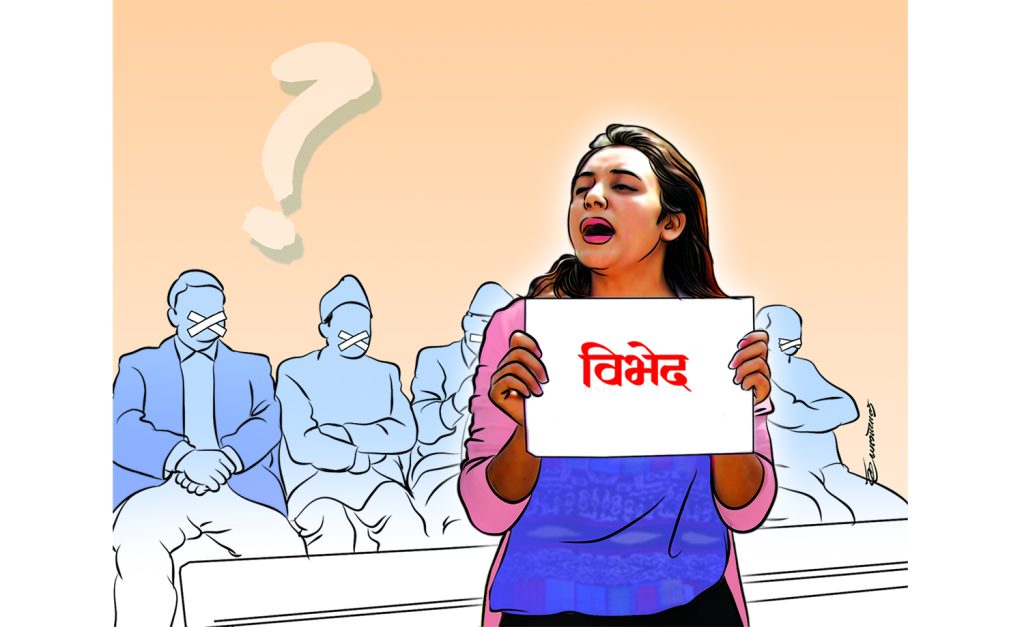 Dalit Identity and the Puzzle of Internal Discrimination
  Arguments For and Against Reservation
  The Reservation Debate and Social Media Discourse
 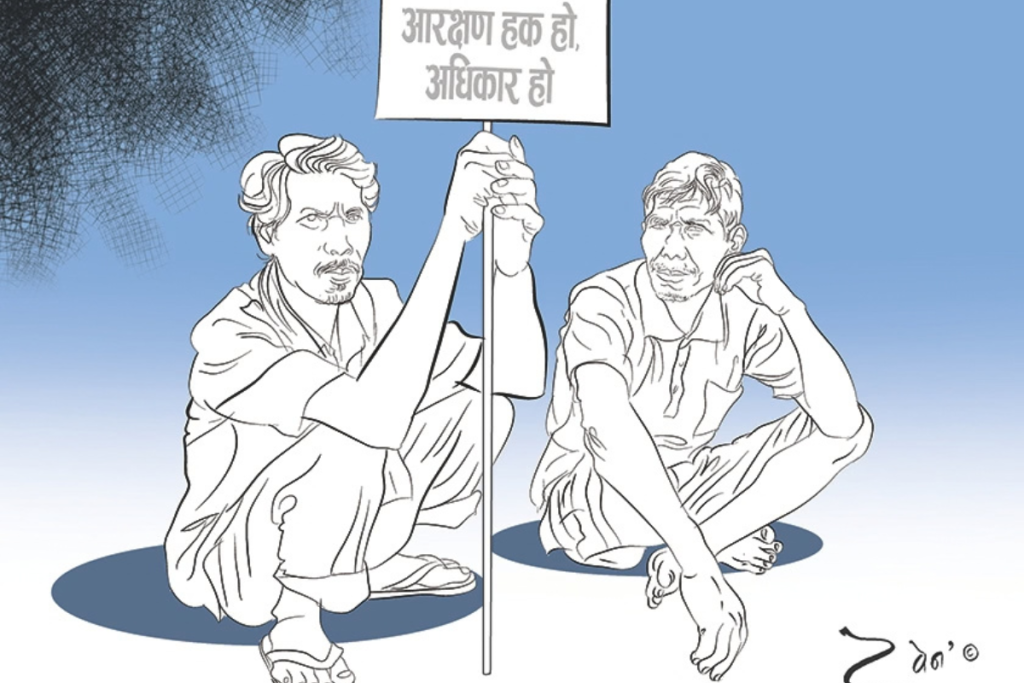 The Meaning of Reservation
 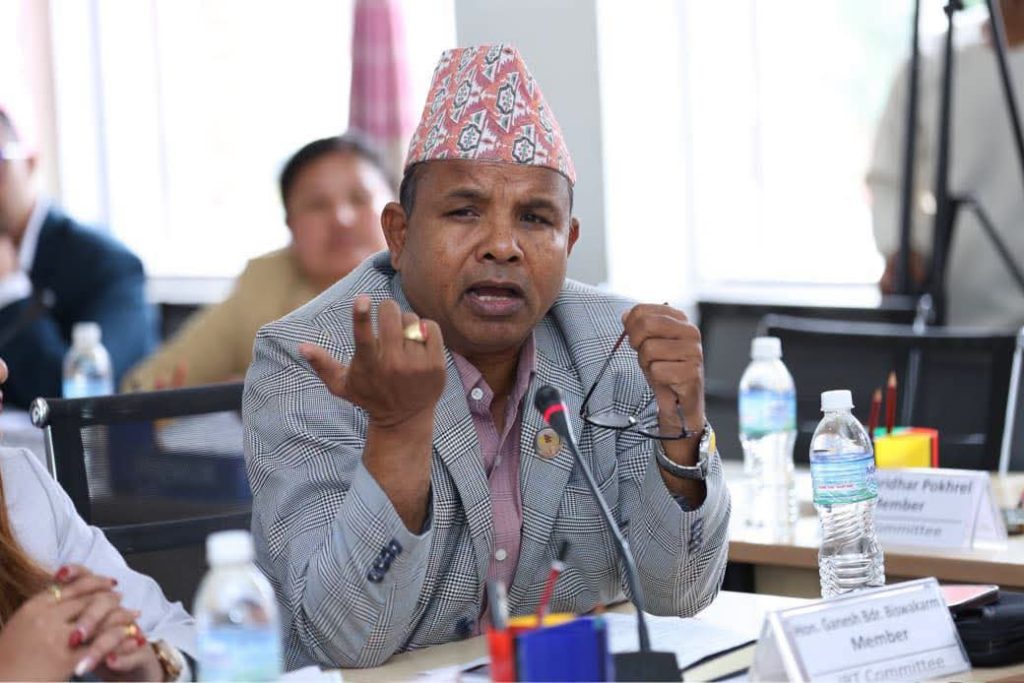 From Model Dalit Parliament Speaker to Federal Parliament
 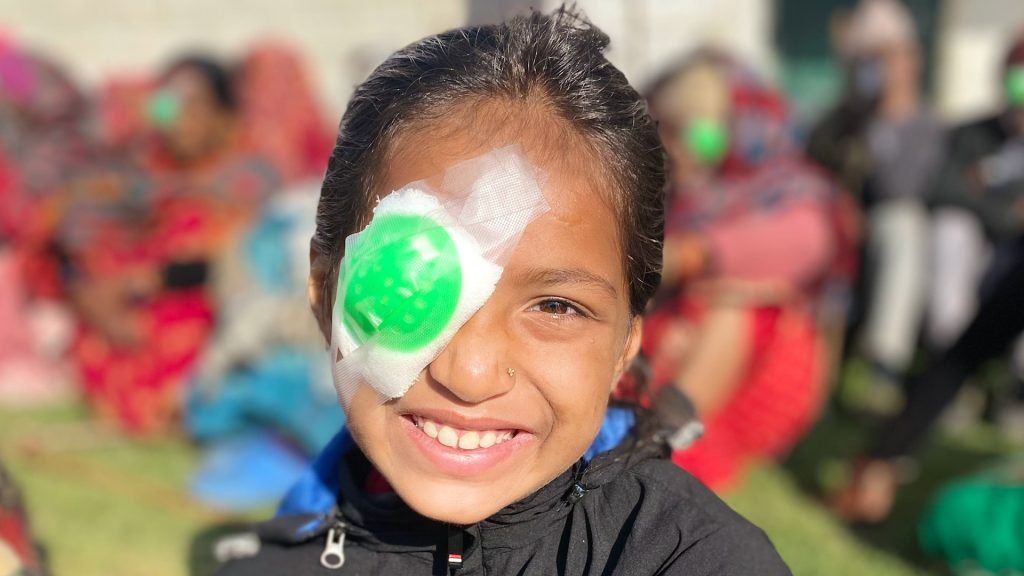 Light Returns to Priyanka’s Eye After Eight Years
 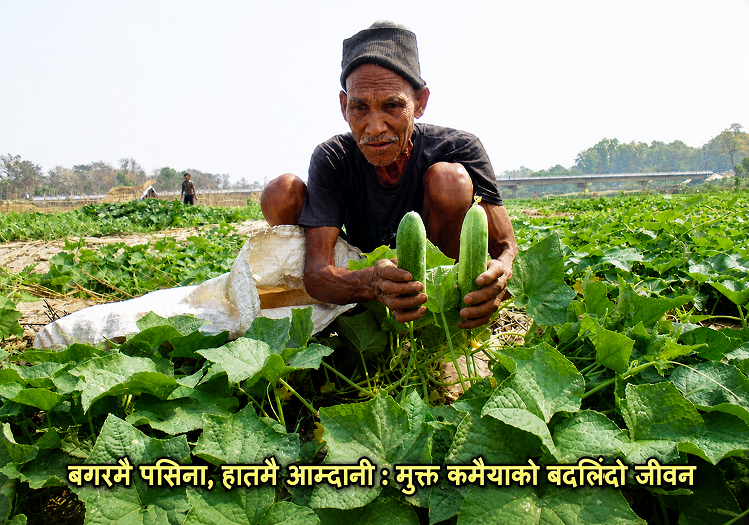 Sandbar Farming Transforms the Lives of Former Kamaiyas
  Young People Leaving Under the National Flag, and Those Returning in Coffins
  A Powerful Message Against Caste Discrimination: A Chhetri Man Carries a Dalit’s Coffin