




Kalikot : “I never thought I would be able to see again. Everything looks new to me now.”
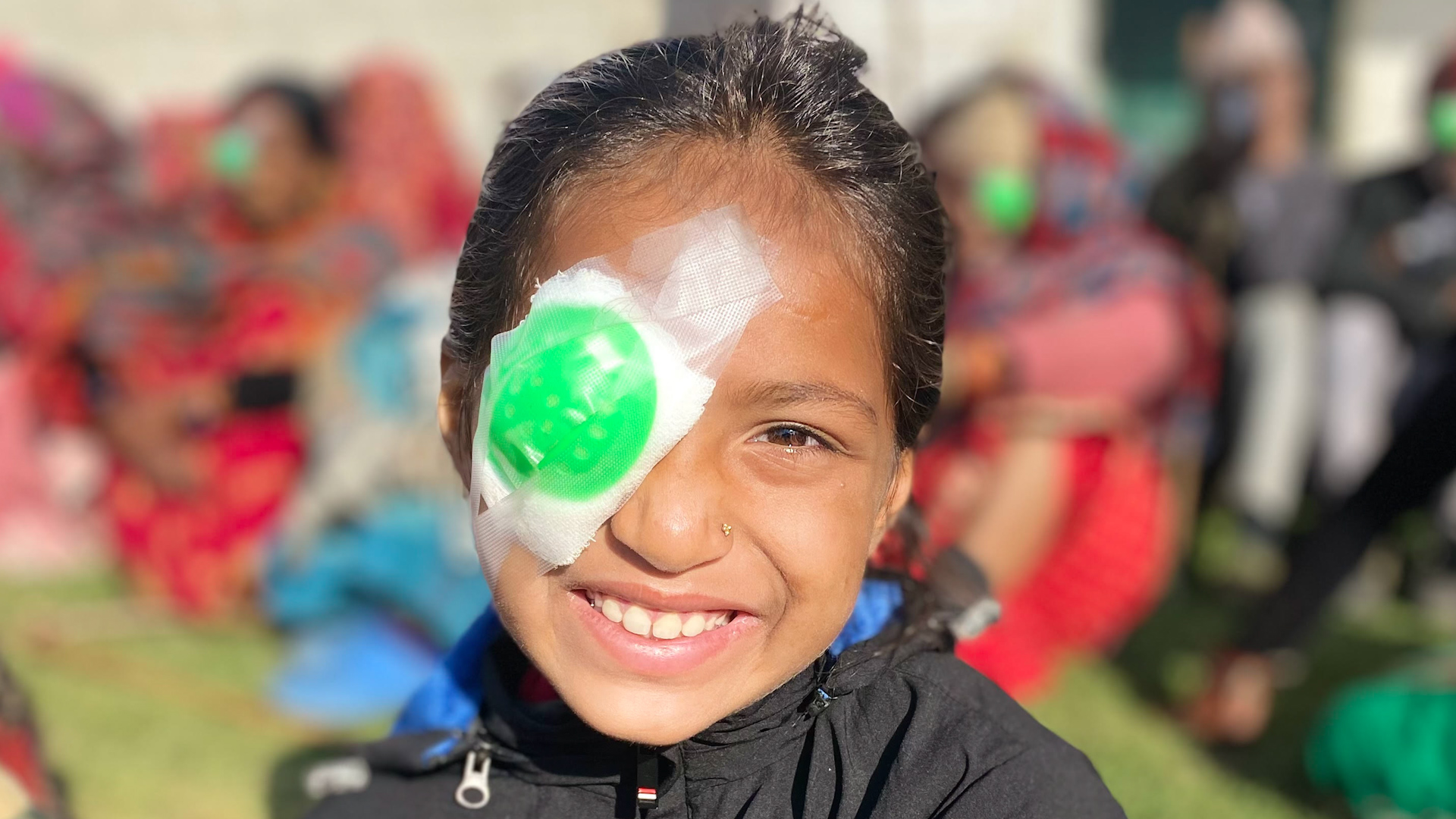
The voice of 11-year-old Priyanka BK carries a mix of surprise, happiness and emotion.
Eight years ago, an injury during her childhood completely deprived her of vision in her right eye. Since then, she had been living in darkness. Her family’s extreme poverty, the difficult geography of the region and limited access to healthcare meant she could not receive timely treatment.
“My friends used to play while I would sit far away and listen. Sometimes, I felt very sad,” Priyanka recalled.
Her father lives in India for work, leaving her mother to shoulder the family’s responsibilities. Unable to afford the cost of treatment, Priyanka eventually had to give up hope of recovering her sight.
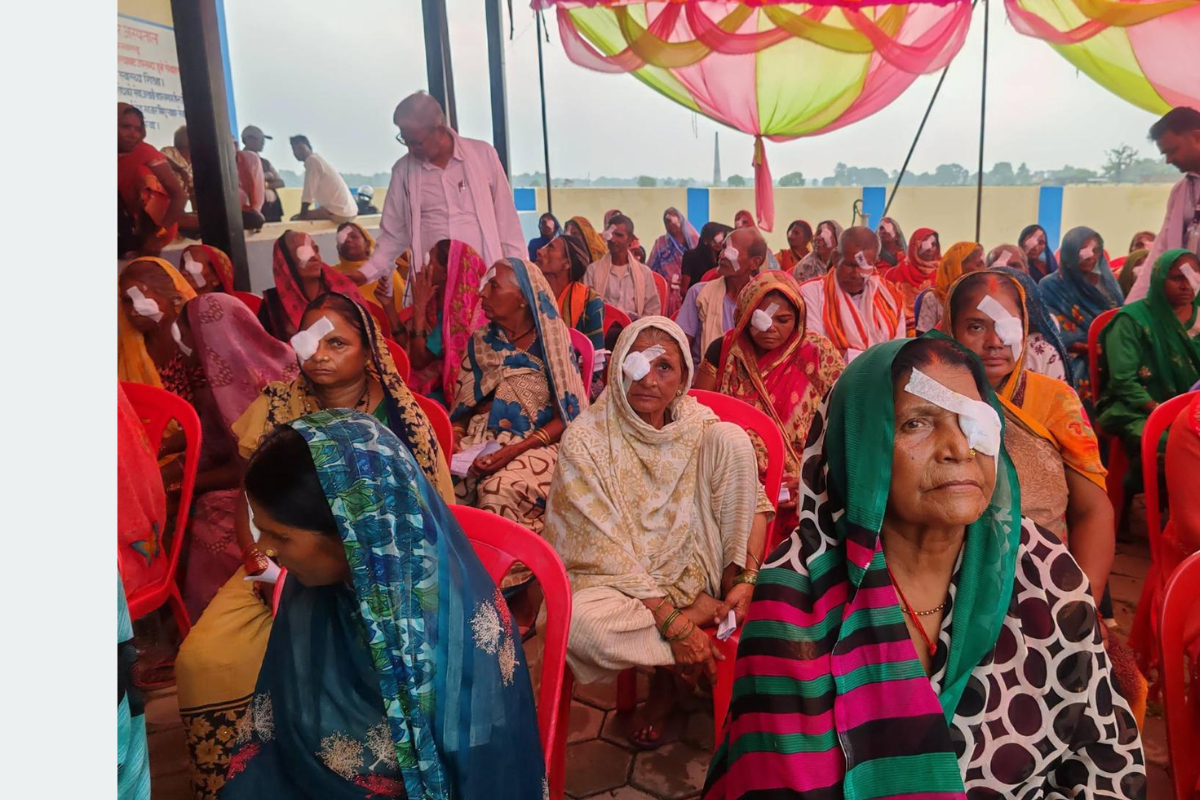
But a free eye camp held from Baisakh 14 to 16 changed her life.
Following an examination at the camp, she underwent successful surgery at Chandannath Eye Hospital in Jumla through the District Eye Treatment Center. After the surgery, she was able to see the world again.
“When the doctor told me, ‘You will be able to see now,’ I could hardly believe it. I was happiest when I could clearly see my mother’s face,” she said with a smile.
The surgery was performed under the leadership of senior ophthalmologist Dr Hari Bikram Adhikari. Despite the complexity of her condition, the successful restoration of her vision was considered a significant medical achievement.
Priyanka’s smile after regaining her sight moved not only the health workers involved in the camp but also everyone present.
The three-day camp was organized by the Nepal Netra Jyoti Sangh, Kalikot, with financial support from the Ridley Eye Foundation. A total of 584 people received eye examinations, while 173 underwent free surgery.
According to Subash Nepal, head of external programs at Himalaya Eye Hospital, many people in remote areas such as Karnali still lack access to basic healthcare. Poverty, difficult geography and limited awareness often force patients to live with untreated conditions for years.
Free health camps that bring services closer to remote communities are helping bring new hope to people like Priyanka.
“I want to become a doctor when I grow up and help other people see too,” Priyanka said, sharing her dream for the future.
The Nepal Netra Jyoti Sangh has been conducting similar programs across the country under the slogan, “Our Duty, Our Responsibility – Partnership in Eye Care.” The organization says it had provided services to more than 50 million patients and performed over 5.6 million eye surgeries by the end of 2025.
For Priyanka, the return of light to her eye is more than a personal moment of happiness. It has become an inspiring story of how expanding access to healthcare can transform lives in remote Nepal.
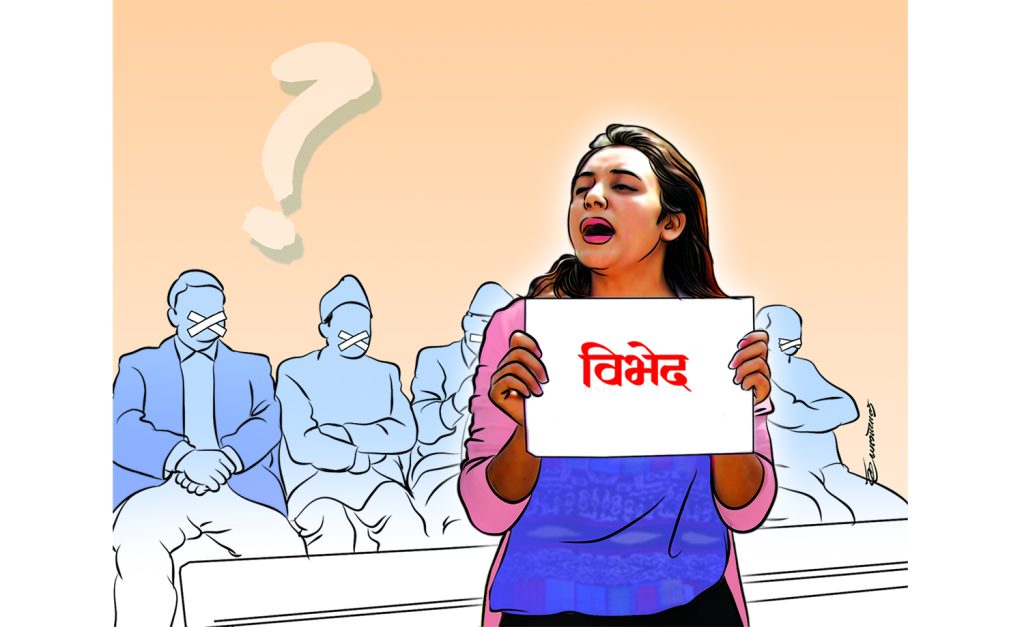 Dalit Identity and the Puzzle of Internal Discrimination
 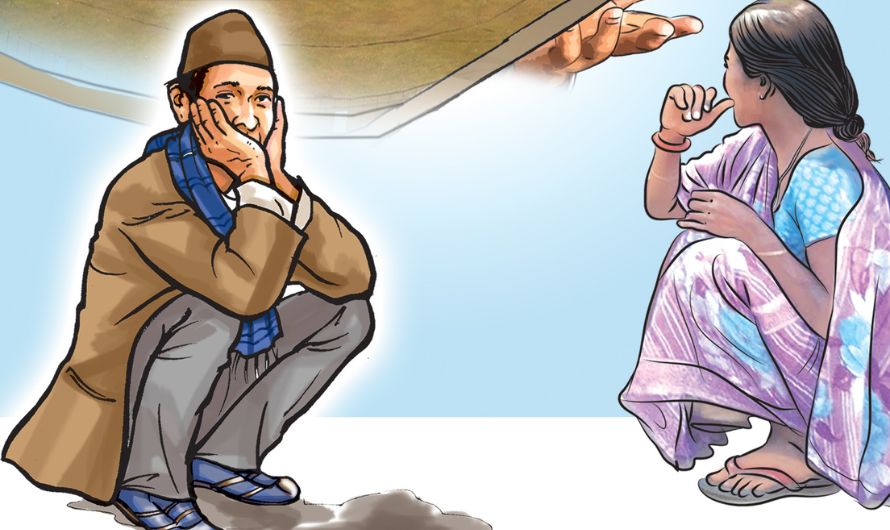 Arguments For and Against Reservation
  The Reservation Debate and Social Media Discourse
 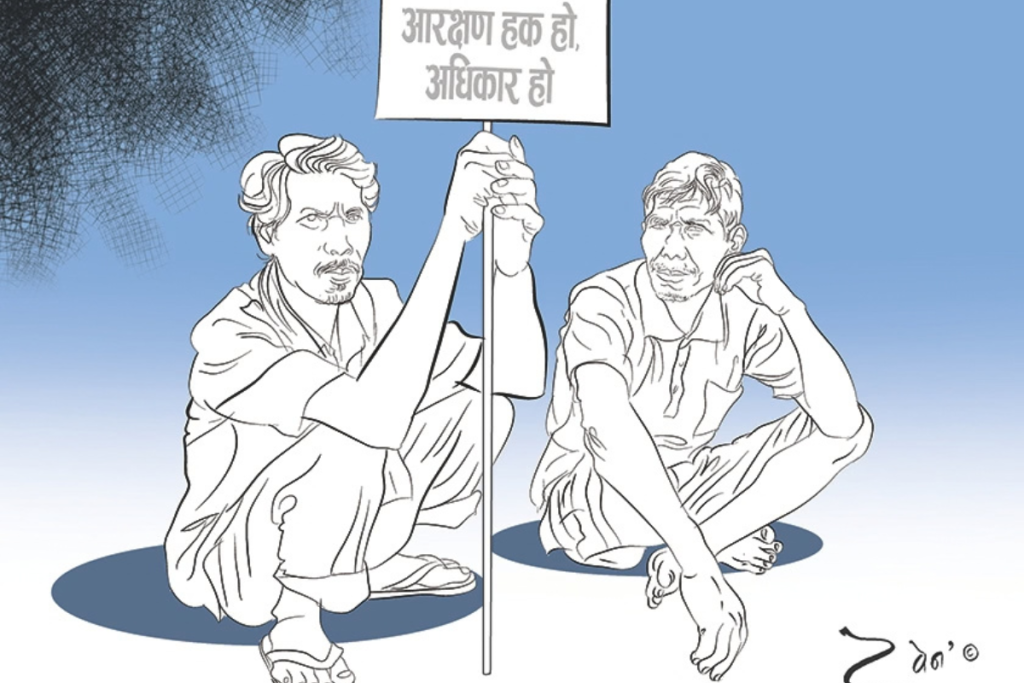 The Meaning of Reservation
  The Wound of a Disaster That May Never Heal
 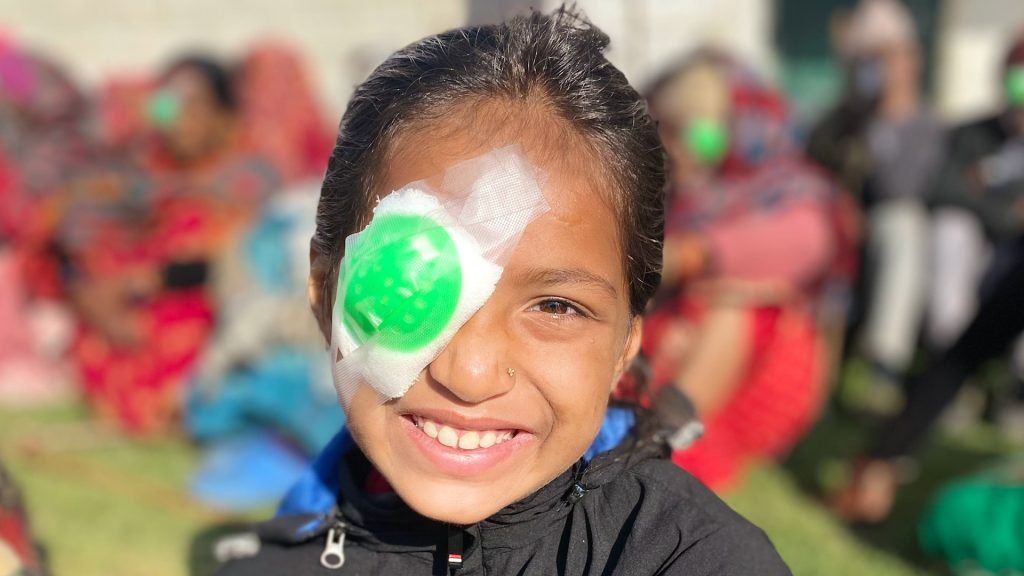 Light Returns to Priyanka’s Eye After Eight Years
  Young People Leaving Under the National Flag, and Those Returning in Coffins
 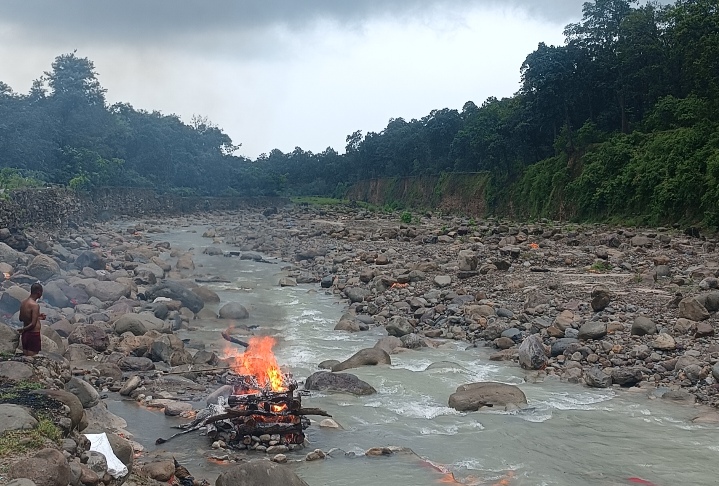 A Powerful Message Against Caste Discrimination: A Chhetri Man Carries a Dalit’s Coffin
 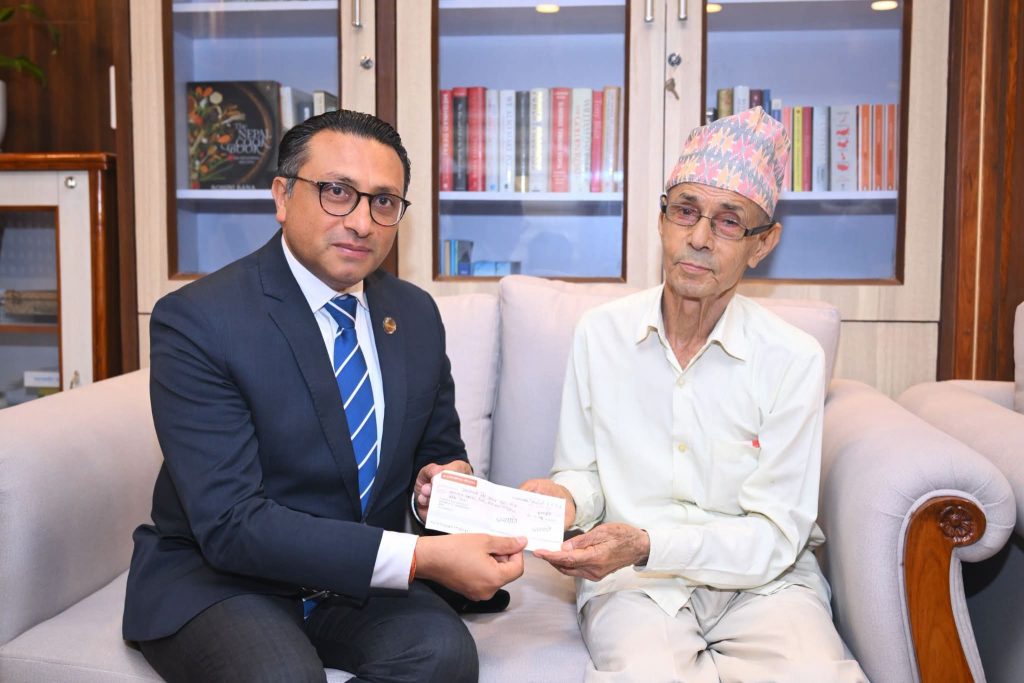 At 78, Dhanapati Bhandari Personally Carries a Cheque to Singha Durbar to Support the Government