


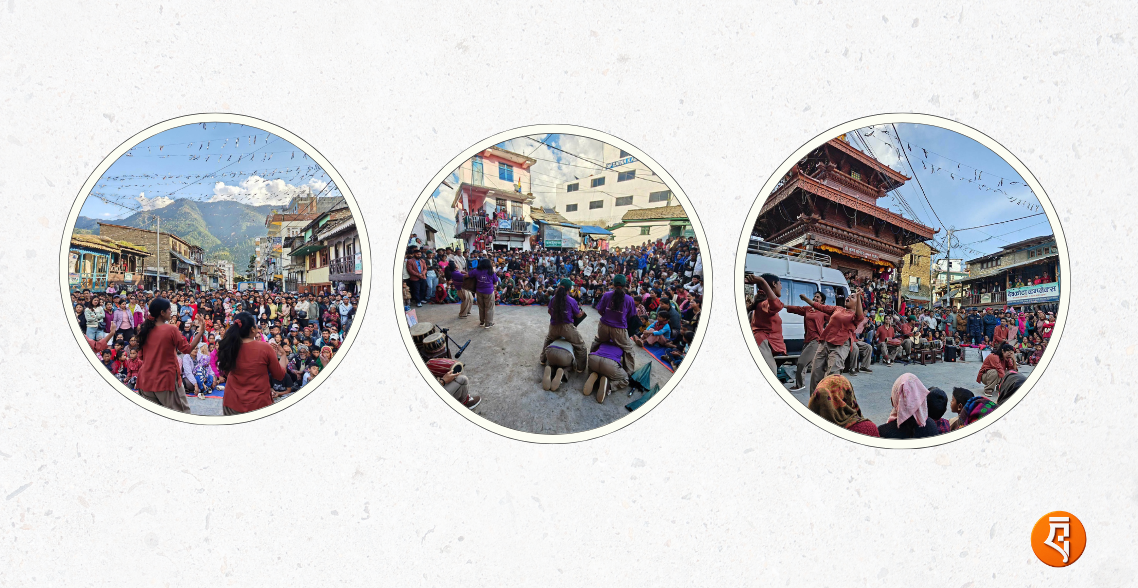
Samata Khabar Desk : Music fills the street. A song begins. Eight performers dressed in orange and brown costumes step into action. Within minutes, the street is surrounded by spectators.
The street has been transformed into a stage. But the story being performed is not merely for entertainment—it is a story about women’s invisible labor, social restrictions and lack of opportunities.
Katha Ghera’s street play ‘Batai Bato’ is currently taking this story to communities across Sudurpaschim and Karnali provinces.
The work women perform at home is often treated by society as simply a “responsibility.” Cooking from morning to evening, caring for children and family members, doing household chores and working in the fields—all of these are forms of labor. Yet society has been slow to recognize their economic value.
But when the same women try to use their skills to earn an income, seek employment outside the home or start their own businesses, they often face a series of questions.
Who will take care of the household? Who will look after the family? Why does a woman need to work outside the home?
‘Batai Bato’ places this contradiction at the heart of its story.
The play portrays women who want to do something with their lives but lack support from their families and communities. Their skills, dreams, struggles and desire for financial independence are presented through songs, music, dance and acting on the streets.
According to Katha Ghera Project Coordinator and Director Akanksha Karki, the main reason women are left behind is not a lack of ability but a lack of opportunities.
“If women are equipped with skills, the benefits extend from the family to the wider community,” Karki says. “There is nothing women cannot do. Many women have been left behind simply because they have not been given equal opportunities.”
The play presents women’s economic independence not merely as an issue of individual freedom. It emphasizes that women’s ability to earn, receive recognition for their labor and participate in decision-making is directly connected to the development of families and society as a whole.
But bringing about that change should not be the responsibility of women alone.
 Naresh Admits Using a Saw to Dismember and Dispose of Wife Mamata’s Body
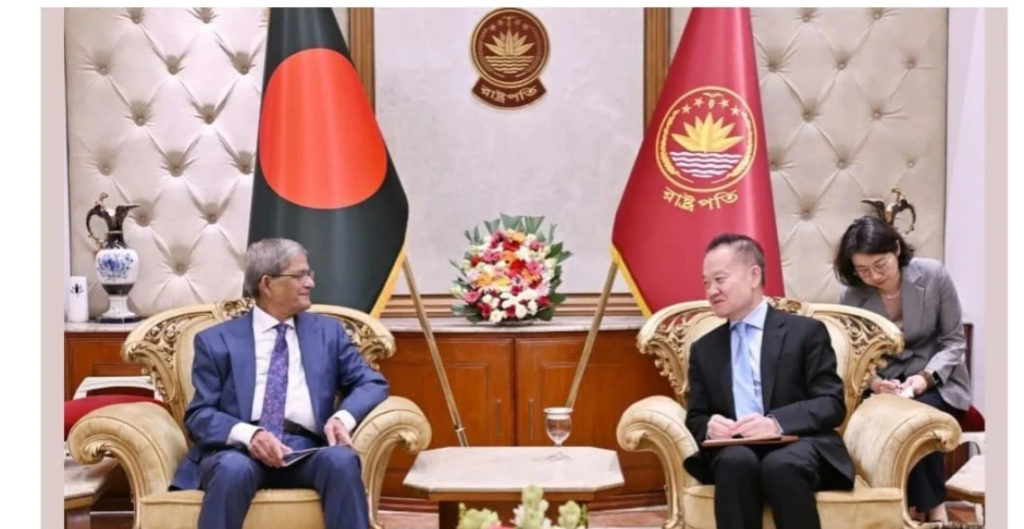 China and Bangladesh Pledge to Stand Together Despite Global Changes
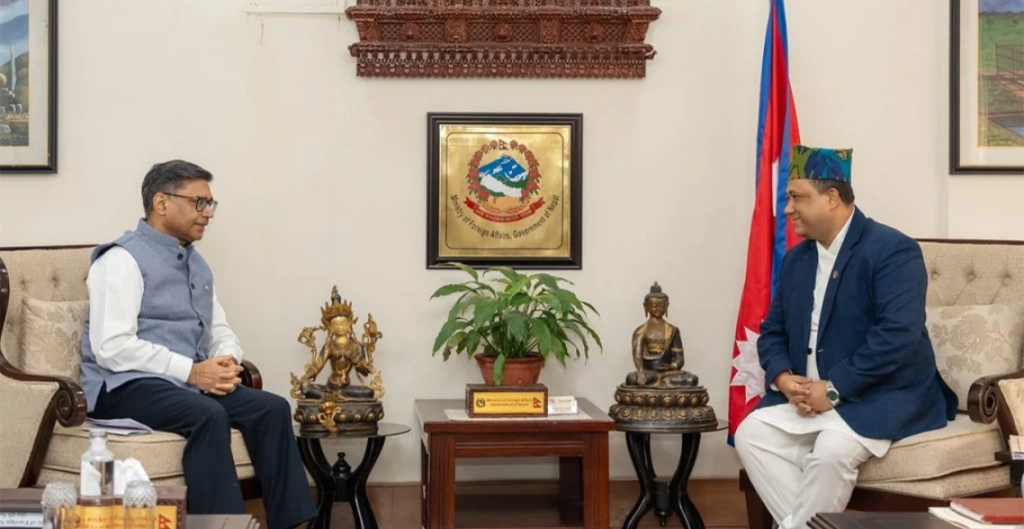 Foreign Minister Khanal Holds Talks with Indian Foreign Secretary Misri
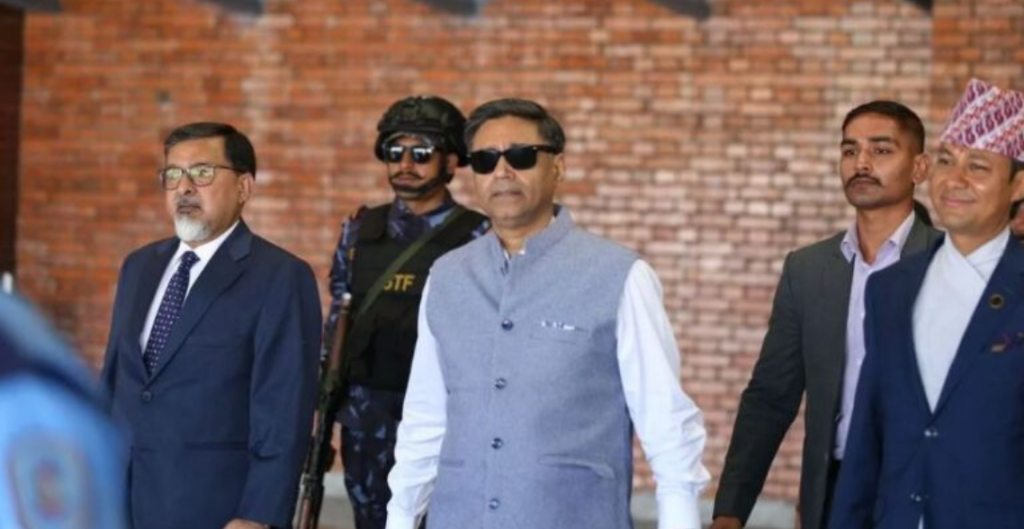 Indian Foreign Secretary Arrives in Kathmandu
 Russian Bombing of School Serving as Aid Centre Kills 33 in Ukraine