


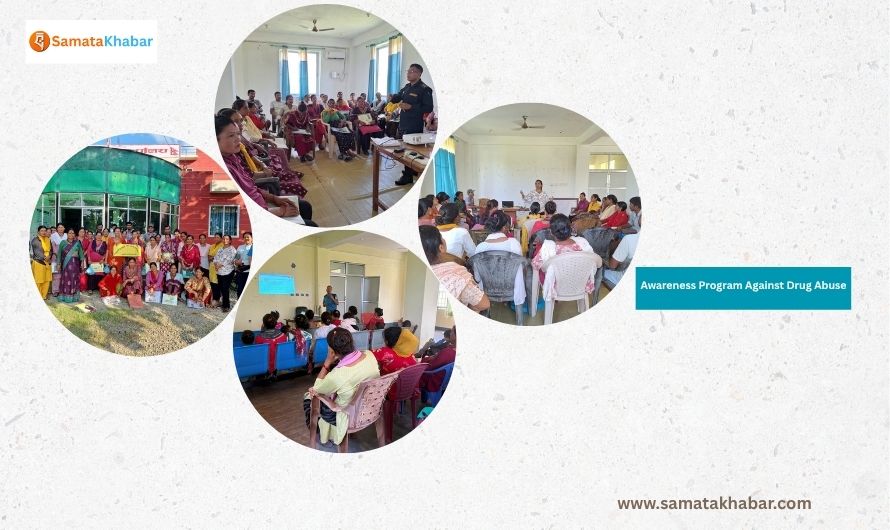
Kanchanpur : Drug abuse and trafficking have emerged as major challenges in Kanchanpur in recent years, largely due to the open border with India. The southern areas of the district, including Belauri, Punarbas and Belauri-Beldandi, have become vulnerable to the trafficking of drugs from adjoining Indian territories.
Although Kanchanpur police have arrested hundreds of young people in drug-related cases and taken legal action against them, there has been no significant decline in drug abuse and trafficking.
The rising number of people using drugs has also raised concerns about an increase in suicide cases, according to local stakeholders.
The Nepal National Social Welfare Association (NNSWA) has been conducting awareness programs in coordination with the police to help control drug abuse. The organization has organized street dramas, orientation programs for parents and awareness classes in schools.
As part of efforts to address the growing challenges of drug abuse and suicide, an orientation program was recently conducted in five wards of Krishnapur Municipality, Kanchanpur.
The program was organized under the Integrated Project Framework (IPF), implemented in Krishnapur Municipality for the past year in collaboration with World Vision Nepal and the Nepal National Social Welfare Association (NNSWA).
The orientation programs were held at the ward offices of Krishnapur-1, 2, 4, 7 and 9. A total of 169 people, including 25 men and 144 women, participated in the programs.
Bishamdev Bhatt, in-charge of the Area Police Office, Gulariya, facilitated sessions on the current situation of drug abuse, reasons behind drug use, its effects on individuals, families and society, and measures for prevention.
He emphasized the need for parents to maintain regular communication with their children to protect them from the risks of drug abuse and to identify behavioral changes at an early stage.
Assistant Sub-Inspector Shivaraj Sapkota provided information on identifying warning signs among people at risk of suicide, listening to them carefully and seeking psychosocial counseling when necessary.
Rukmani Karki, a psychosocial counselor, discussed the effects of mental stress, family and social problems, frustration and loneliness on mental health. She also emphasized the importance of providing timely support and counseling to people facing such difficulties.
Ward chairs, local leaders, parents, child club representatives and community members participated in the program.
According to NNSWA, the orientation highlighted the need for cooperation among families, schools, local leaders and communities to prevent drug abuse and suicide.
IPF Project Coordinator Rameshwar Jairu said that, along with awareness programs, support from parents at home and teachers at schools is essential to prevent young people from falling into drug abuse.
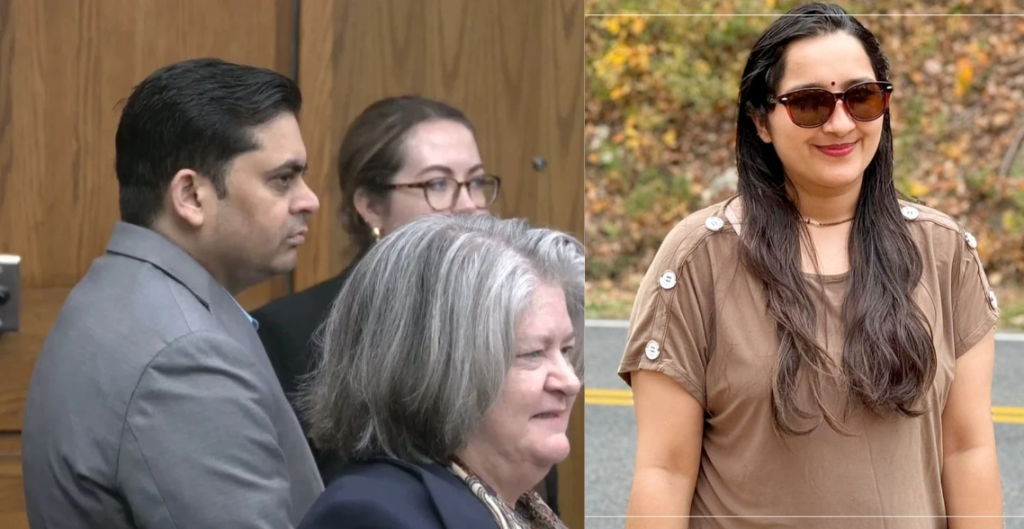 Naresh Admits Using a Saw to Dismember and Dispose of Wife Mamata’s Body
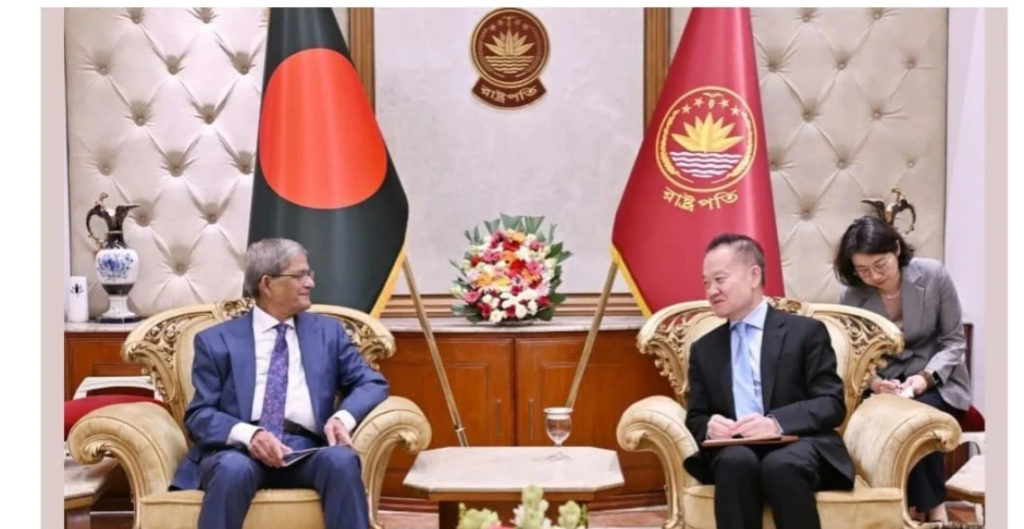 China and Bangladesh Pledge to Stand Together Despite Global Changes
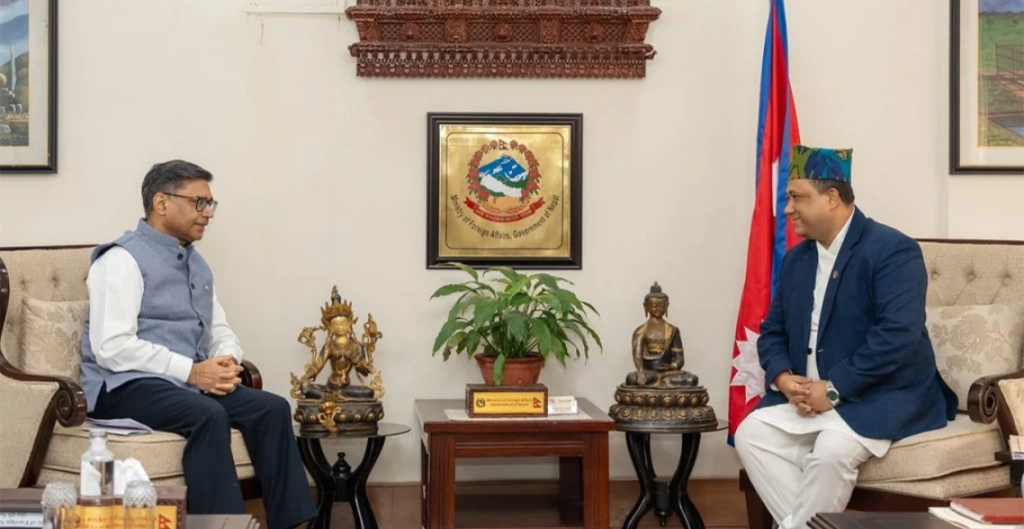 Foreign Minister Khanal Holds Talks with Indian Foreign Secretary Misri
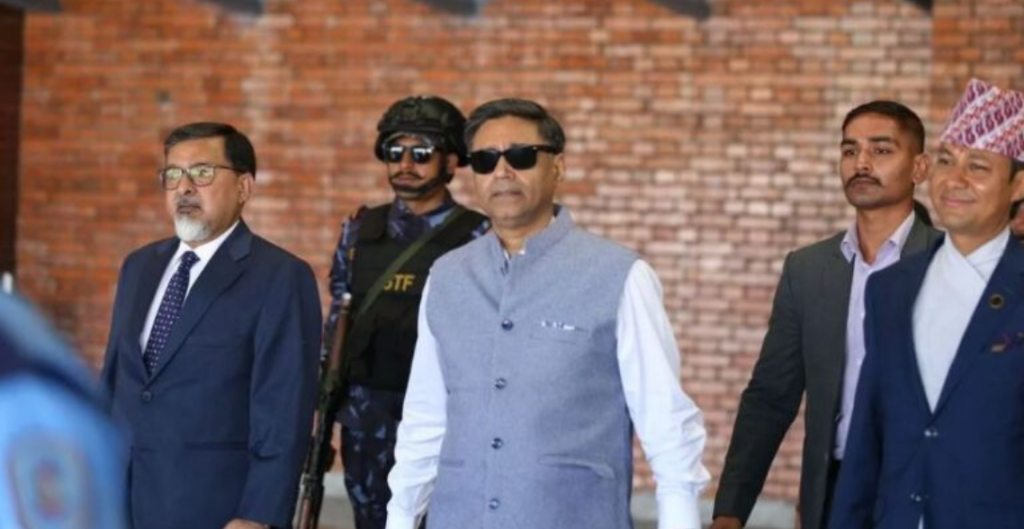 Indian Foreign Secretary Arrives in Kathmandu
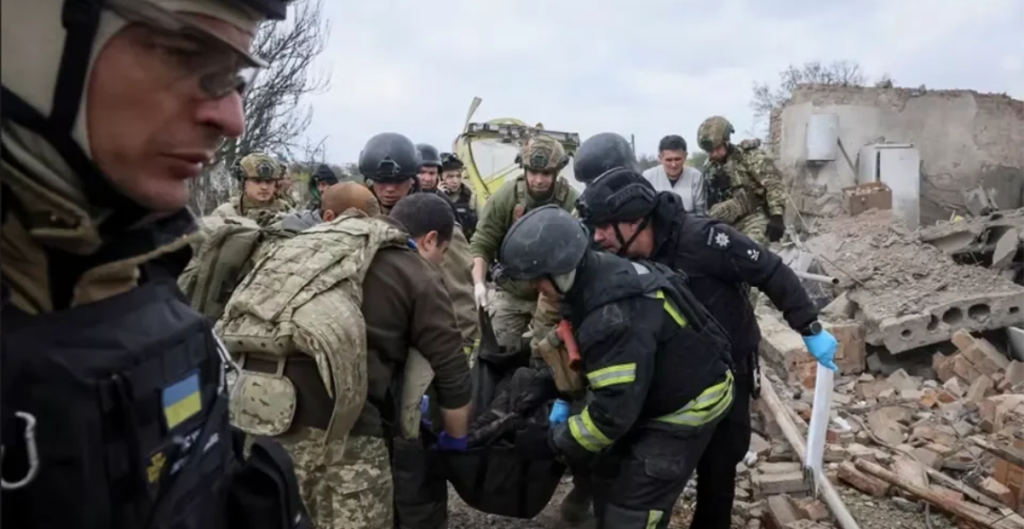 Russian Bombing of School Serving as Aid Centre Kills 33 in Ukraine
 Protest Against Journalists’ Arrests to Be Held at Maitighar Today