



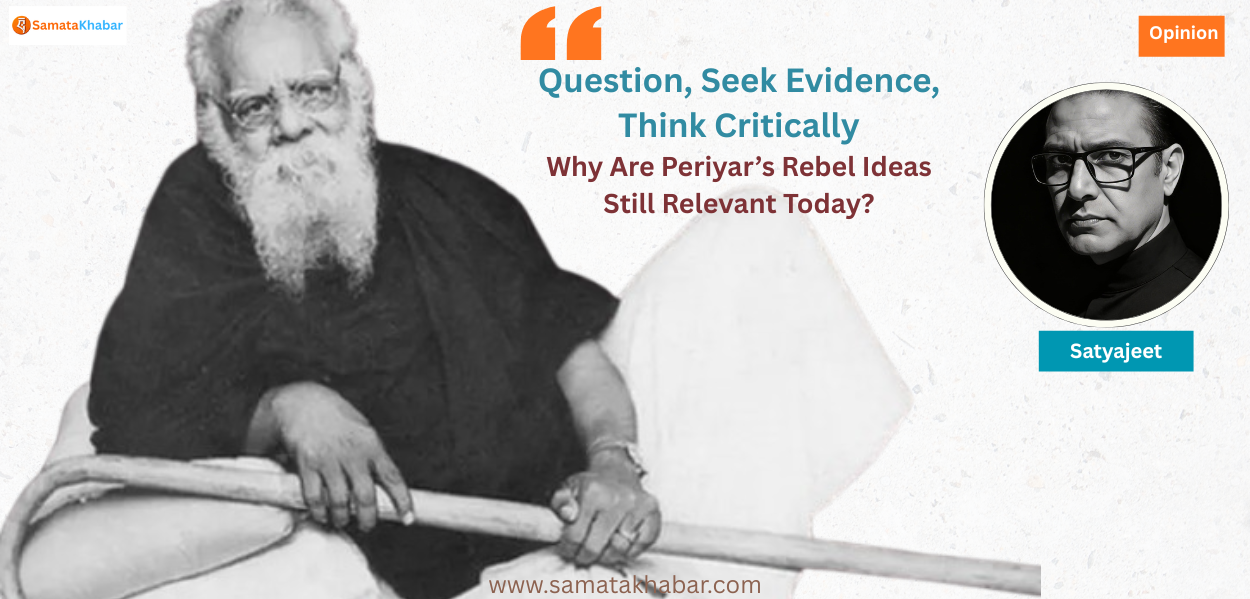
What if something has been practiced for generations? Does that automatically make it right? Are some people born superior while others are born inferior? Must women remain subordinate to men? Should every practice carried out in the name of religion, tradition and custom be accepted without question?
The life and ideas of Periyar placed these questions before society.
E.V. Ramasamy ‘Periyar’ was more than a social reformer from South India. He represented a rebellious intellectual tradition that challenged established social norms, caste hierarchies, superstition and patriarchy. Born on September 17, 1879, in Erode, Periyar spent much of his public life challenging caste discrimination and social inequality.
Perhaps the most important way to understand him is this: Periyar did not teach people to accept ready-made answers; he taught them to question.
Does Birth Make Someone Superior?
Periyar’s strongest challenge was directed at the caste system.
He rejected the idea that people are born superior or inferior. He did not view caste-based structures that determined a person’s dignity, opportunities and social status merely as social problems; he also questioned their ideological foundations.
In his view, a person’s worth should not be determined by birth, but by their humanity.
That question remains relevant today. Even in societies where constitutional rights guarantee equality, discrimination based on caste, birth and social background has not completely disappeared. Laws can change, but transforming social consciousness takes time.
Periyar’s question, therefore, is not one that belongs only to history.
The question remains: Should we recognize people by their caste or by their humanity?
Why Is Self-Respect Necessary?
The Self-Respect Movement, which Periyar began in the 1920s, was not merely a political campaign. It was an effort to make people conscious of their dignity, identity and right to equality.
For Periyar, self-respect was more than personal pride. When a person is considered inferior simply because of their birth, their dignity is attacked. When women are denied equal rights, the question of self-respect arises there as well.
That is why caste opposition, women’s freedom and rationalism were not separate issues in Periyar’s movement. They were interconnected through the broader question of equality.
Should Women Be Seen as Free and Equal Human Beings?
The question of women’s freedom was also central to Periyar’s social reform efforts.
He opposed child marriage, dowry, social control over widows and traditions that placed women under the authority of men. He also advocated freeing marriage from religious rituals and social hierarchies, emphasizing equality between women and men.
The concept of Self-Respect Marriage emerged from this broader vision.
At a time when gender equality continues to be debated around the world, the questions raised by Periyar cannot simply be dismissed as issues from the past. Questions surrounding women’s autonomy, marriage, property, decision-making and freedom remain part of contemporary social debates.
Does Tradition Automatically Make Something Right?
The central question of Periyar’s rationalism was simple:
Why?
If something is old, why should it automatically be accepted? If it is written in a religious text, why should it be beyond questioning? If society has accepted something for generations, does that mean it no longer needs to be examined?
His argument was that beliefs should be tested against evidence, reason and critical thinking.
This is also why some of Periyar’s views were deeply controversial. He sharply criticized aspects of religious traditions and Hindu social structures, provoking both strong support and opposition.
Understanding Periyar therefore requires looking not only at the image presented by his supporters but also at the criticisms raised by his opponents and the historical context surrounding his controversial statements.
Yet amid those controversies, one fundamental principle remained clear:
Believe, but also ask why you believe.
From Vaikom to Self-Respect
Periyar’s social struggle is also closely associated with the Vaikom Satyagraha. In the then princely state of Travancore, he played an important role in the movement against caste-based restrictions on the use of public roads around a temple.
The struggle against caste-based exclusion from public spaces helped bring the issue of social equality into wider public debate.
At the heart of Periyar’s politics and social activism was therefore a recurring principle:
Equal rights in public life.
The right to walk on a public road, enter a public place, receive an education or live with dignity cannot be determined by birth. This was central to the social vision he advocated.
Why Does Periyar Still Matter Today?
Remembering Periyar does not necessarily mean accepting every one of his ideas exactly as he expressed them.
Rather, it means revisiting the questions he placed before society in the context of the present.
Caste-based discrimination still exists. Violence and inequality against women persist. Superstition and rigid social customs remain part of society. There are still tendencies to judge people according to their social status. There is also a tendency to view those who question established beliefs as uncomfortable or disruptive.
In such a context, Periyar’s legacy cannot be confined to statues, anniversaries or slogans.
That legacy remains alive when we are willing to question even the things we ourselves believe.
When we are willing to listen to criticism of our own traditions.
When we place human equality above status inherited through birth.
When we recognize women not as objects to be protected, but as free human beings entitled to equal rights.
And when we refuse to accept an unsupported claim as truth merely because it is backed by tradition or authority.
Ultimately, the Question Matters
If Periyar’s life were to be summed up in a single sentence, it might be this:
He taught society the importance of questions rather than ready-made answers.
What matters more—humanity or caste?
What matters more—tradition or equality?
What matters more—superstition or evidence?
What matters more—authority or reason?
And ultimately, what matters more—the identity assigned by birth or the equal rights that come with being human?
Periyar Jayanti should not be limited to remembering a historical figure. It can also be an occasion to question the prejudices, superstitions and inequalities within ourselves.
Because social change does not always begin with a movement.
Sometimes, it begins with a simple question:
“Why?”
And perhaps Periyar’s greatest legacy is precisely this:
Not to provide ready-made answers, but to teach people to ask the right questions.
Not superstition—believe in evidence and reason.
Not caste discrimination—stand for human equality.
Not rigid tradition—let scientific consciousness guide us.
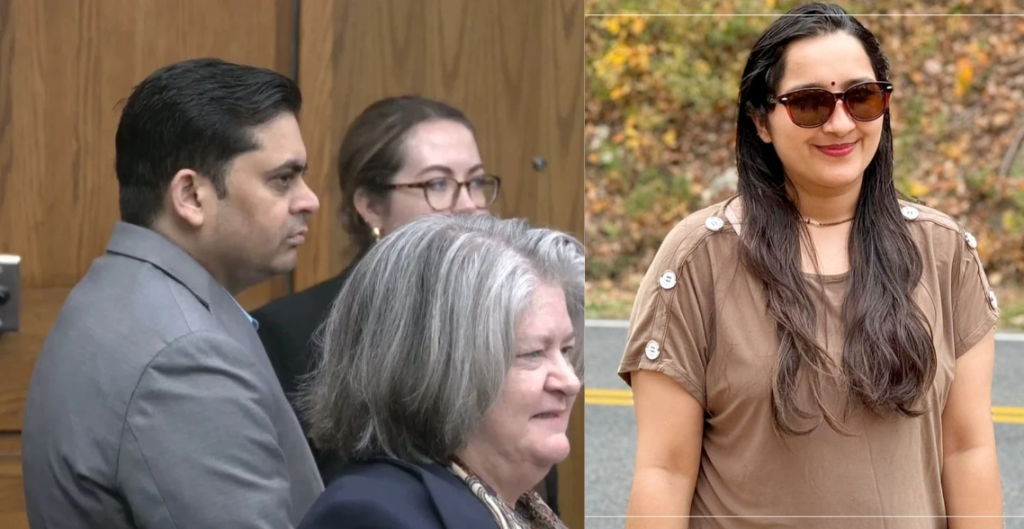 Naresh Admits Using a Saw to Dismember and Dispose of Wife Mamata’s Body
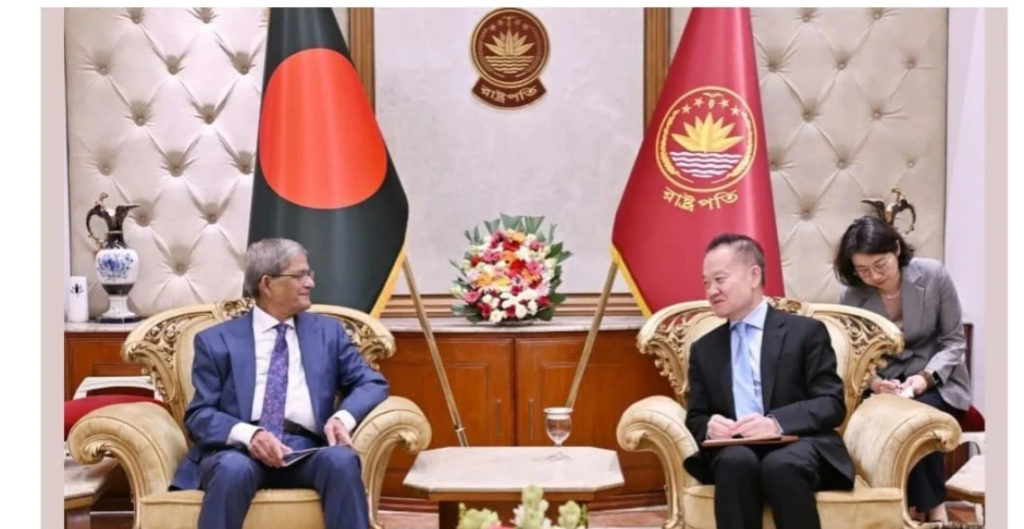 China and Bangladesh Pledge to Stand Together Despite Global Changes
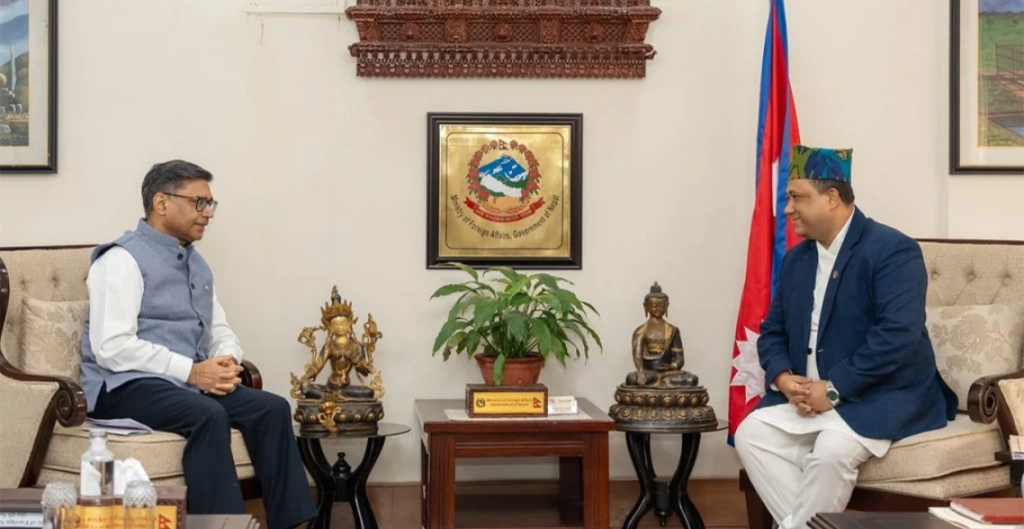 Foreign Minister Khanal Holds Talks with Indian Foreign Secretary Misri
 Indian Foreign Secretary Arrives in Kathmandu
 Russian Bombing of School Serving as Aid Centre Kills 33 in Ukraine