


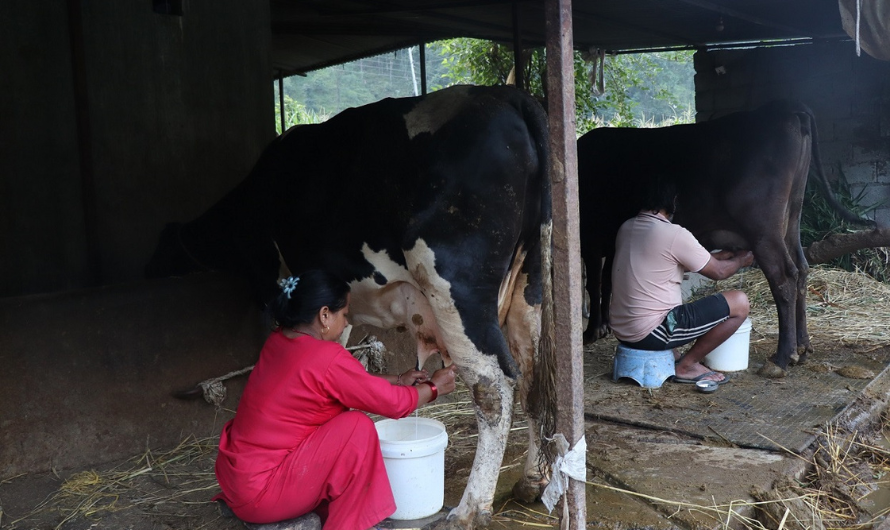
Myagdi : After spending years working abroad, Top Bahadur Chhetri came to realize that a livelihood could also be built in his own village. After working as a driver in Saudi Arabia for 13 years, he returned home and decided to venture into livestock farming.
A resident of Jaljala Rural Municipality–8, Lasti, in Parbat district, Chhetri initially started his business with just three cows and buffaloes. Today, his ‘Goma Cow and Buffalo Farm’ has 14 animals. The farm sells around 90 liters of milk every day, generating approximately Rs 2,700 in daily sales. After covering expenses for animal feed, medicines and farm management, Chhetri says he is able to save more than Rs 100,000 a month.
Chhetri returned to Nepal after falling ill while working in Saudi Arabia. With no immediate alternative employment available, he chose livestock farming as a business he could operate in his own community. Although he was initially uncertain about whether the venture would succeed, years of consistent hard work have turned the farm into his main source of income.
“I used to depend on others even for personal expenses and household needs,” Chhetri said. “Now I can support my family and save some money through my own business. The income is encouraging when you put in the effort.”
His business is not limited to selling milk. Chhetri also produces and sells buttermilk, paneer and ghee. He says the income from livestock farming has also helped him repay loans taken to send his three children abroad. Although his investment in expanding the farm resulted in loans of up to around Rs 6 million, regular income from the business has made debt management easier, he said.
A Business That Started with Three Animals
Chhetri works at the farm alongside his wife, Goma. The business has provided self-employment for both of them and also created a job for one other person.
However, the journey has not always been easy. During the COVID-19 pandemic, the inability to transport milk to the market resulted in wastage and financial losses, Chhetri recalls. In the early years, a lack of technical knowledge and proper business planning also created difficulties.
Later, he received training, technical knowledge and financial support through the Growth-Oriented Entrepreneurship Development Project implemented in Jaljala Rural Municipality with support from the Gandaki Provincial Government and Daitwa Sanstha. He says the training and business knowledge helped improve the management of his farm.
“In the beginning, many people told me the business would not work. I also knew very little about livestock farming,” he said. “But as I gradually learned, kept records and understood the market, my confidence in the business grew.”
Village Milk Reaches Baglung
Chhetri is not the only farmer benefiting from an expanding market for milk in the area. Milk produced by farmers in Farse and Lasti is collected by the local Sangam Milk Production and Agriculture Cooperative and transported to Baglung for marketing.
According to cooperative secretary Khadga KC, the cooperative collects between 600 and 800 liters of milk every day from around 40 farmers and arranges its sale in Baglung. The cooperative has therefore become an important link between local dairy farmers and the market.
Farmers also receive technical support from Jaljala Rural Municipality. The Veterinary Hospital and Animal Services Expert Center under the provincial government provides a subsidy of Rs 5 per liter through the cooperative.
Aiming for 30 Animals
Chhetri now plans to expand his farm to 30 cows and buffaloes. His goal is not only to increase milk production but also to expand the production and marketing of dairy products such as paneer and ghee.
The shortage of skilled workers, however, remains a major challenge. Livestock farming requires regular care, feeding, cleaning and attention to animal health, and Chhetri says finding experienced workers has been difficult.
For Chhetri, who returned home after 13 years in Saudi Arabia, livestock farming has become more than an alternative to foreign employment. What began with just three animals has grown into a reliable source of income for his family. As the business continues to improve the family’s financial situation, he says he has gained greater confidence in expanding his enterprise in Nepal.
 Naresh Admits Using a Saw to Dismember and Dispose of Wife Mamata’s Body
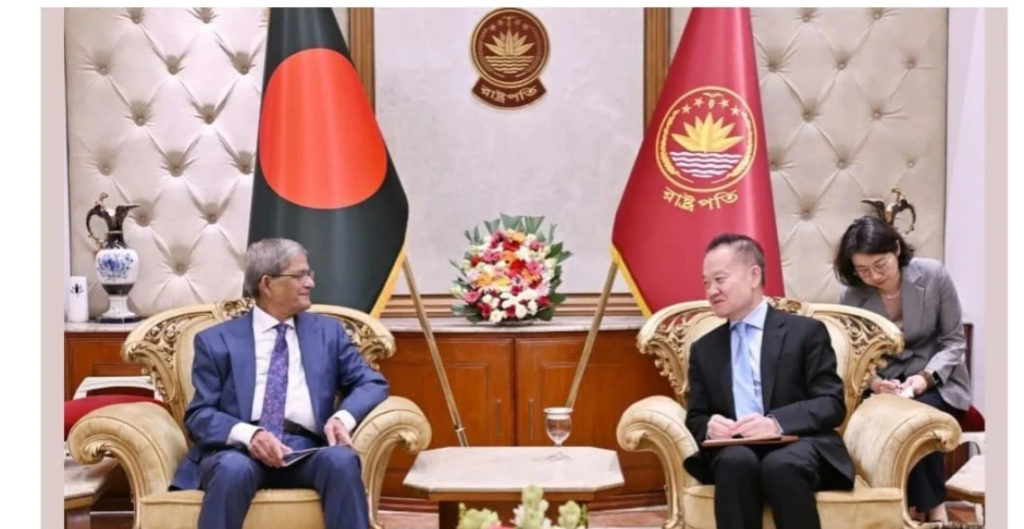 China and Bangladesh Pledge to Stand Together Despite Global Changes
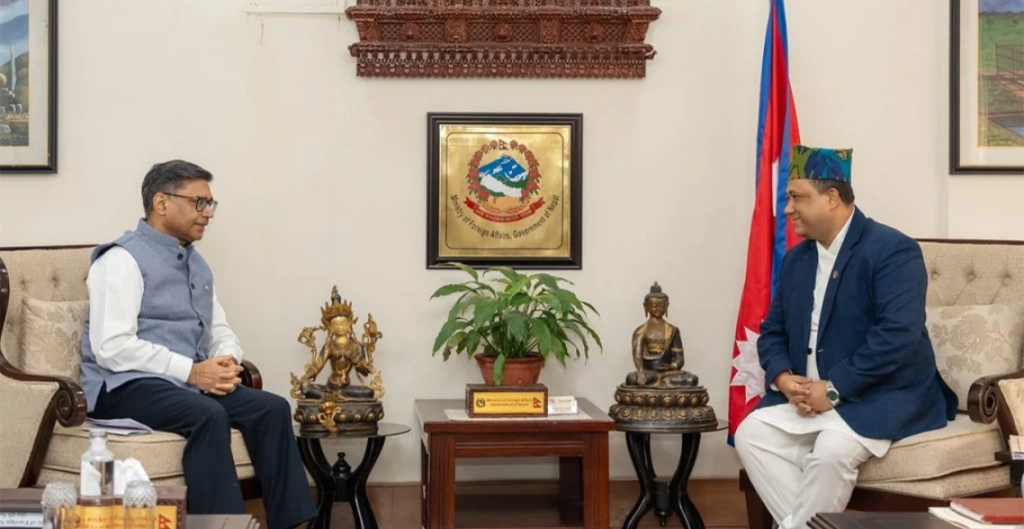 Foreign Minister Khanal Holds Talks with Indian Foreign Secretary Misri
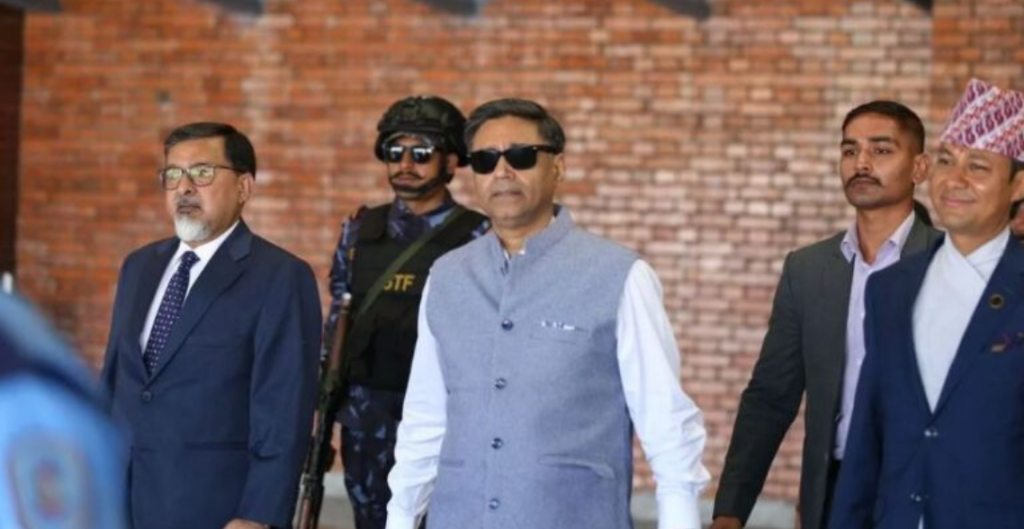 Indian Foreign Secretary Arrives in Kathmandu
 Russian Bombing of School Serving as Aid Centre Kills 33 in Ukraine