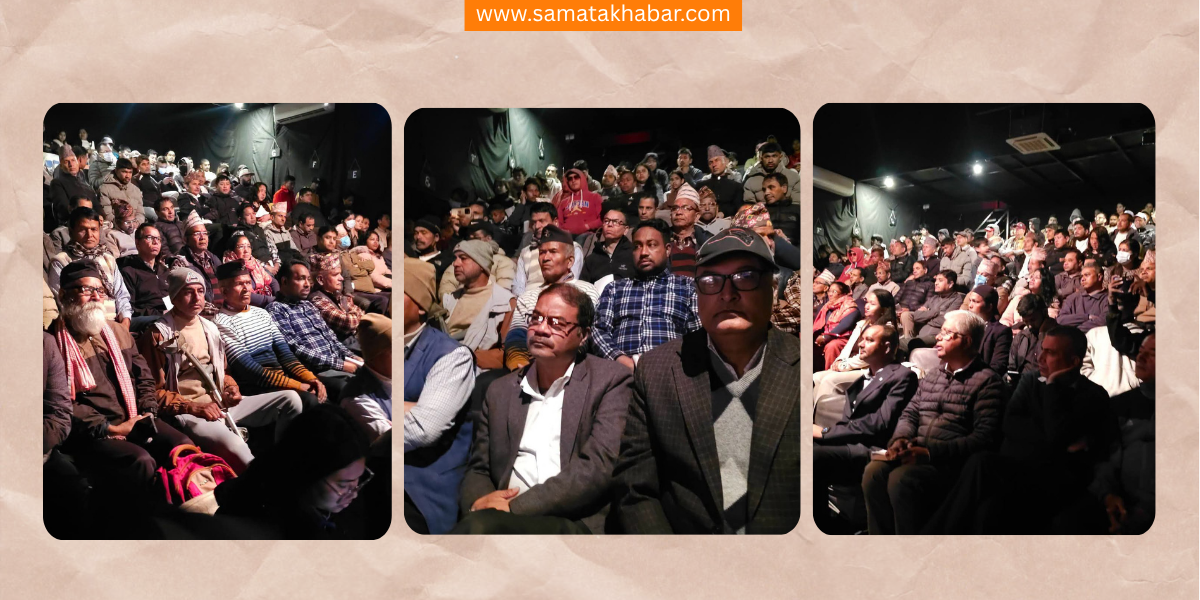


Samata Khabar Commentary : Since the introduction of Nepal’s inclusive quota system, its implementation and its reach among intended beneficiaries have been the subject of ongoing debate and scrutiny. The 15th General Convention of the Nepali Congress has further intensified this debate, raising concerns that the benefits of reservation are repeatedly being captured by influential and privileged groups—including elites, industrialists, businesspeople and urban residents—instead of reaching economically disadvantaged individuals from marginalized communities who are the intended beneficiaries.
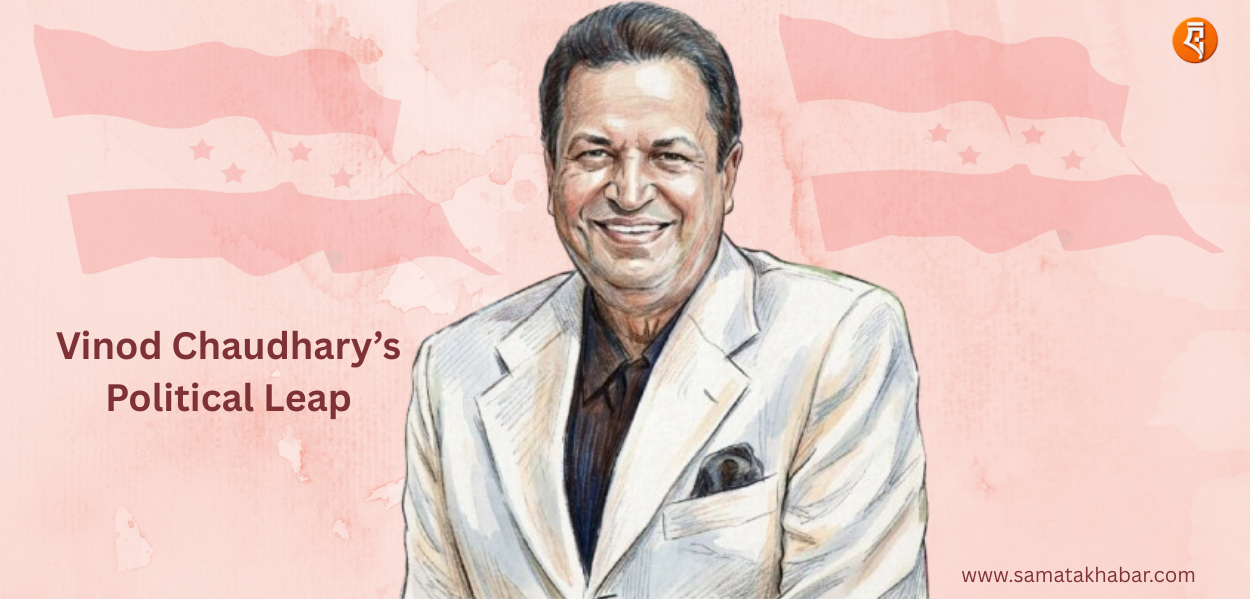
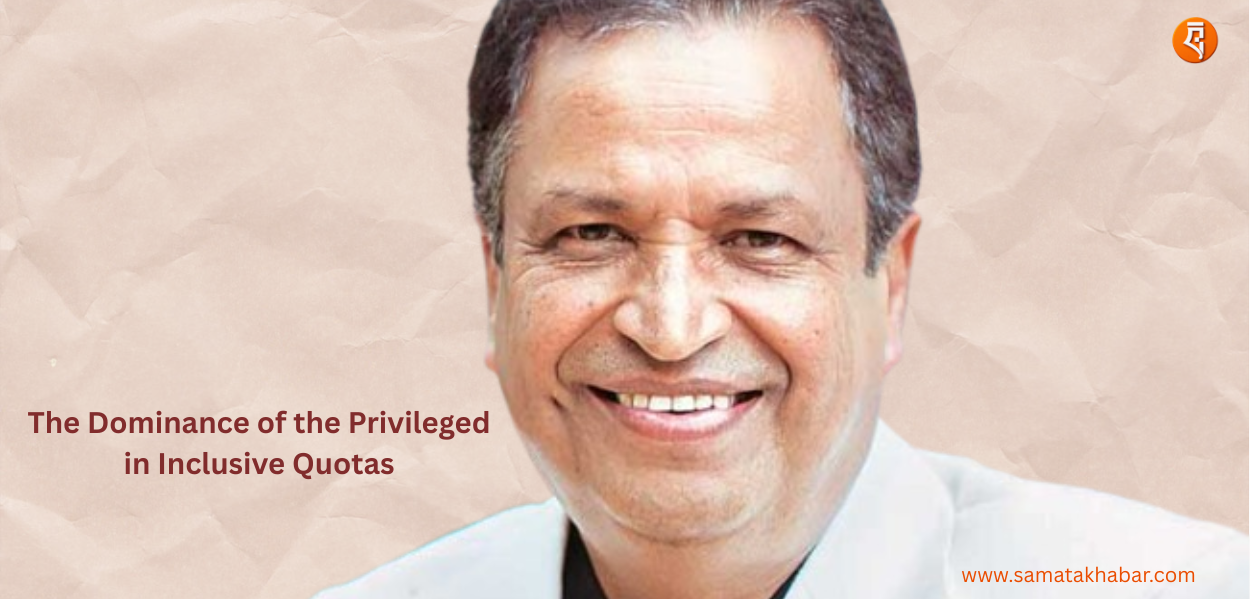
Inclusive quotas are designed to bring communities historically excluded from opportunities into leadership and decision-making positions. They are not intended to provide additional opportunities to those who are already powerful and resource-rich. However, industrialist and billionaire Binod Chaudhary’s election as vice-president of the Nepali Congress through an inclusive quota has raised questions about the purpose and effectiveness of this system. His victory has brought the debate back into focus: who is actually benefiting from a system intended to end historical exclusion?
In the 15th General Convention of the Nepali Congress, Chaudhary secured 1,745 votes for the inclusive vice-president position. His closest rival, Jiwan Pariyar, received 1,658 votes. Chaudhary’s victory over leaders with long-standing involvement in party politics has raised questions about how opportunities for leadership are distributed within the party.
According to Forbes’ 2025 list of the world’s billionaires, Chaudhary was Nepal’s only billionaire. His business empire, spanning brands such as Wai Wai noodles and CG Hospitality, has established him as an economically influential figure. His wealth and influence have also accompanied his political rise, and he has previously served as a member of parliament twice.
Chaudhary became a proportional-representation member of parliament from the Communist Party of Nepal (Unified Marxist–Leninist), or CPN-UML, in 2008. He joined the Nepali Congress in 2017 and subsequently became a proportional-representation lawmaker through the Madhesi quota. At the party’s 14th General Convention in 2021, he was elected to the Central Working Committee through the Tharu cluster. He has now advanced to the position of vice-president after a comparatively short political journey within the Congress. This trajectory raises questions about the distribution of opportunities for leaders who have contributed to the party for decades and representatives of communities that continue to struggle for access to leadership.
The question here is not whether Binod Chaudhary is qualified for leadership. The more fundamental question is why inclusive quotas were introduced and what inequalities they were intended to address. Caste discrimination, social exclusion, economic hardship and limited political access have long prevented many people from reaching leadership positions. When individuals with substantial wealth, resources and influence also benefit from inclusive quotas, it becomes necessary to assess how effectively the system is advancing leadership from historically marginalized communities.
This does not mean that an economically privileged person cannot represent a marginalized community. However, if formal identity alone is considered sufficient while class inequality and disparities in access to opportunities are overlooked, the purpose of inclusion may be undermined. Significant inequalities in wealth, education, political connections and access to resources can exist even within the same social group.
Chaudhary’s victory poses a serious question for the Nepali Congress: Are inclusive quotas serving as a means of developing leadership from historically marginalized communities, or are they creating additional opportunities for those who already possess power and influence?
His election presents the party with a challenge to examine the effectiveness of its inclusive framework. The Nepali Congress must address whether communities historically denied opportunities are now gaining meaningful access to leadership or whether the benefits of inclusion remain concentrated among those who are already privileged.
 Naresh Admits Using a Saw to Dismember and Dispose of Wife Mamata’s Body
 China and Bangladesh Pledge to Stand Together Despite Global Changes
 Foreign Minister Khanal Holds Talks with Indian Foreign Secretary Misri
 Indian Foreign Secretary Arrives in Kathmandu
 Russian Bombing of School Serving as Aid Centre Kills 33 in Ukraine
 Intellectual Discourse on Caste System and Cultural Transformation Held at Shilpee Theatre