

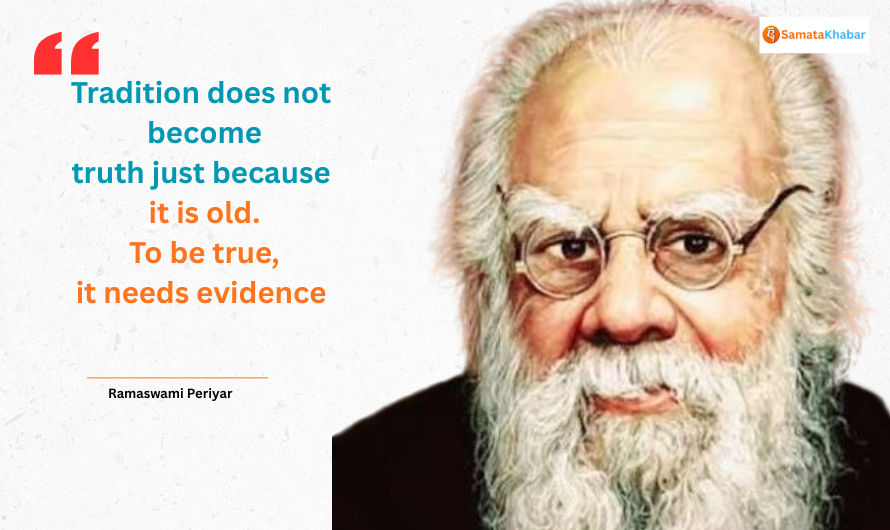
When remembering E.V. Ramasamy ‘Periyar’, the first thing to consider is not merely the sharpness of his statements, but the social context in which he raised those questions.
Periyar was active in public life at a time when caste discrimination was deeply entrenched in South India. Social status was often determined by birth, untouchability remained part of public life, and women faced numerous forms of social control over their freedom. Periyar challenged these conditions forcefully. For him, social reform did not simply mean changing a few traditions; it meant questioning the unequal structure of society itself.
That is why he also brought religion, caste and tradition within the scope of critical questioning.
Was Breaking Idols His Main Idea ?
When Periyar is discussed, accounts of his actions involving the destruction of idols or the burning of religious symbols often come to the forefront. Such statements and actions were undoubtedly controversial. For people whose faith is closely connected to religious symbols, such acts can be deeply offensive.
But to understand Periyar’s reasoning, it is necessary to return to the fundamental question he was raising: Should a symbol or religious belief be placed beyond criticism simply because it is a tradition?
Periyar connected his opposition to religious symbols with his criticism of caste hierarchy and social inequality. For him, the issue was not merely about idols; it was about a social structure that placed one person above another based on birth.
In this sense, his provocative symbolic actions can be understood as one form of social rebellion in the context of his time. However, that does not necessarily mean such actions need to be imitated in today’s society. The question of where to draw the line between criticism of ideas and respect for personal faith remains important even today.
Why Was His Criticism of Religion So Strong ?
Periyar’s statement that he had “deep hatred for all organized religions in the world” sounds extremely harsh.
But an important distinction needs to be made: criticism of religion and hostility toward religious people are not the same thing.
Periyar challenged social hierarchies, superstition and caste discrimination that he believed were justified in the name of religion. He did not want any authority to remain beyond questioning. He rejected the assumption that something must be true simply because it was written in a religious text, followed by ancestors or accepted by society.
That is why the question “Why?” stood at the center of his rationalist thinking.
Is Questioning an Act of Rebellion ?
Periyar’s most significant contribution should be understood beyond his controversial statements.
He encouraged people to question their social circumstances.
“Why am I in this position?”
“Why am I treated differently because of my caste ?”
“Why should women have fewer rights simply because they are women?”
“Why should something be considered right merely because it is a tradition?”
He believed questions such as these could become the foundation of social transformation.
This is where his idea of self-respect becomes important.
Self-respect, for Periyar, was not merely personal pride. A person subjected to humiliation because of birth recognizing their equal rights, women asserting their freedom, and historically marginalized communities demanding their human rights were all matters of self-respect.
How Should We Read Periyar Today ?
Understanding Periyar either by portraying him as entirely heroic or by rejecting his entire body of thought because of his harsh statements can both lead to an incomplete reading of his legacy.
His ideas were deeply connected to the social struggles of his time. Some of his statements may still appear harsh and controversial today. Readers have the freedom to accept or reject them.
But the fundamental questions he raised remain significant:
Can birth determine a person’s worth ?
Can tradition be placed above the right to equality ?
Can any belief be considered beyond questioning ?
Can discrimination carried out in the name of religion be justified simply in the name of religion ?
Seeking answers to these questions does not mean worshipping Periyar. Rather, it means engaging seriously with the rationalist tradition he represented.
What Does Periyar Mean for Society Today ?
Today, laws exist against caste discrimination. Constitutional guarantees of equality are in place. Legal and social movements continue to advocate for women’s rights. Scientific awareness and critical thinking are also widely promoted.
But laws alone do not eliminate social prejudice. Changing ways of thinking that have been established over generations takes time.
Periyar’s relevance, therefore, does not lie in repeating every one of his words. It lies in the culture of questioning that he sought to establish.
There can be continuing debate over whether everything Periyar said was right or wrong. His methods can be criticized. His language toward religious faith can also be debated.
Yet the refusal to accept inequality simply by saying, “This is how things have always been,” remains an important part of a democratic society.
Ultimately, Periyar’s legacy cannot be reduced to opposition to any single religion. It is a challenge to the idea that human beings should be classified and valued according to their birth.
Perhaps the most meaningful way to remember Periyar is this:
Keep faith, but never stop questioning.
Respect tradition, but do not surrender reason.
Believe, but seek evidence.
And most importantly—
Judge people not by their birth, but by their humanity.
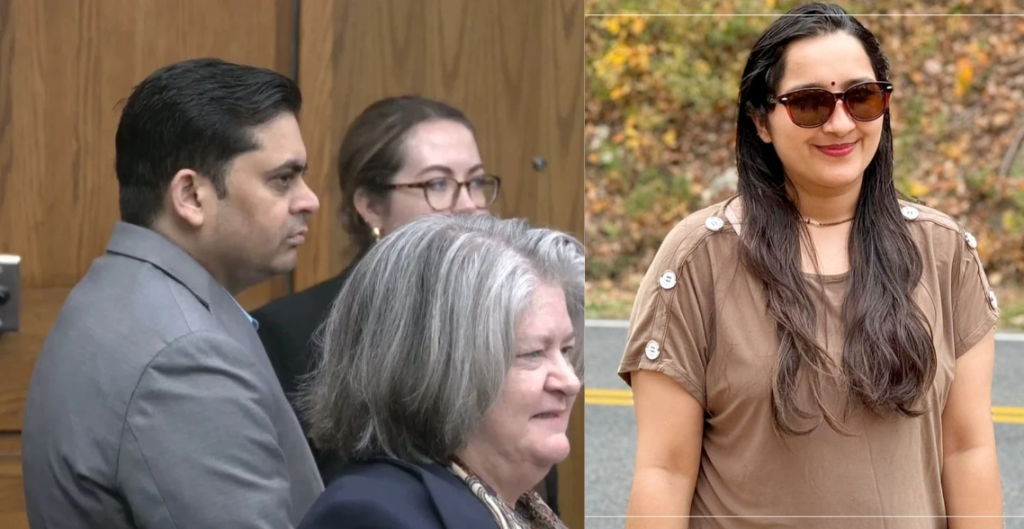 Naresh Admits Using a Saw to Dismember and Dispose of Wife Mamata’s Body
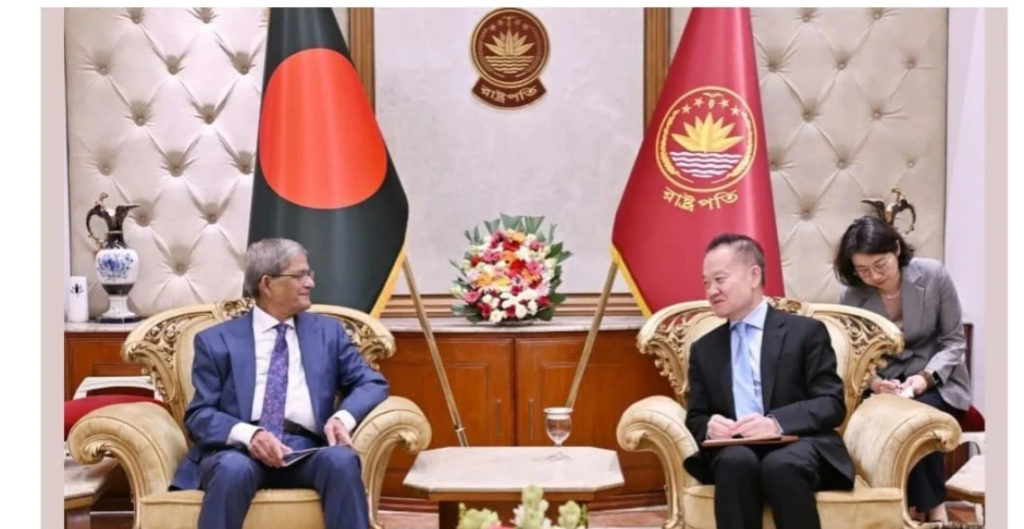 China and Bangladesh Pledge to Stand Together Despite Global Changes
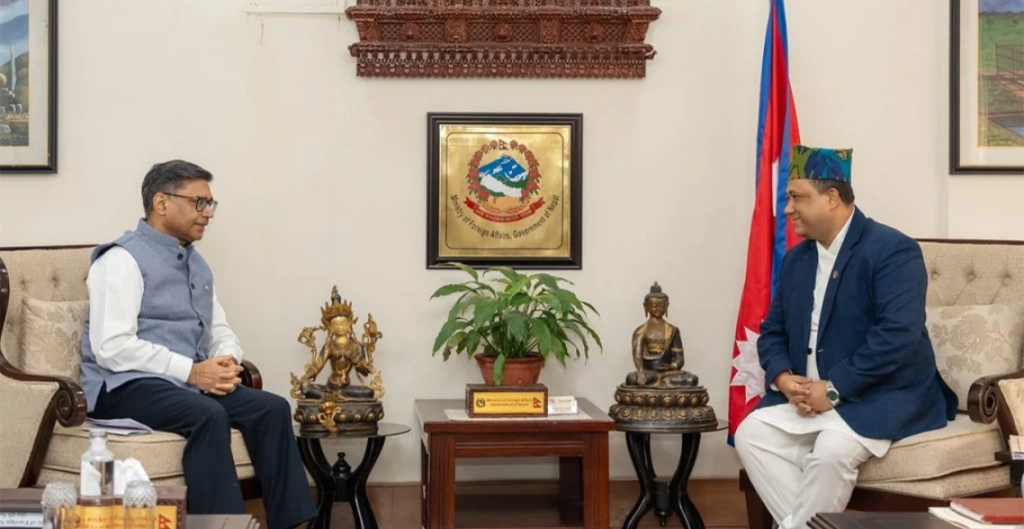 Foreign Minister Khanal Holds Talks with Indian Foreign Secretary Misri
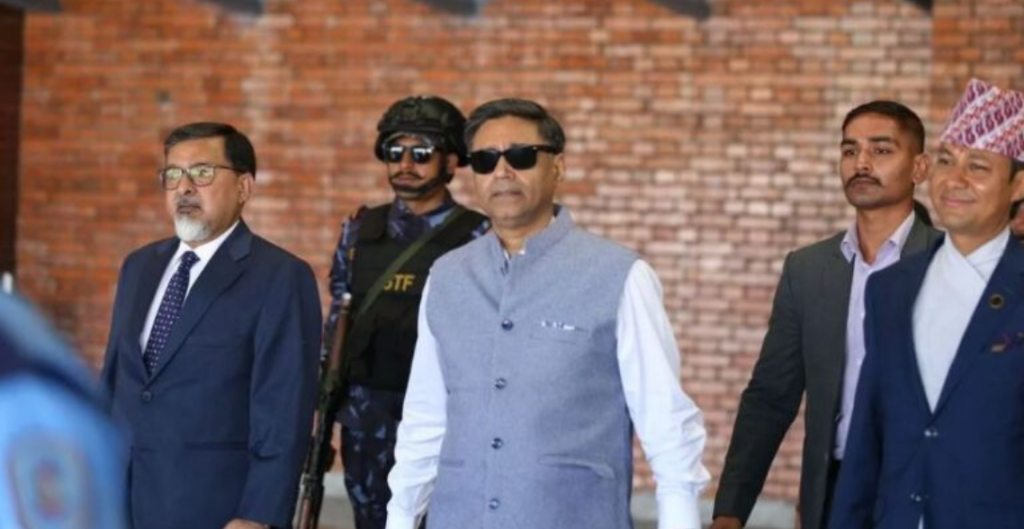 Indian Foreign Secretary Arrives in Kathmandu
 Russian Bombing of School Serving as Aid Centre Kills 33 in Ukraine
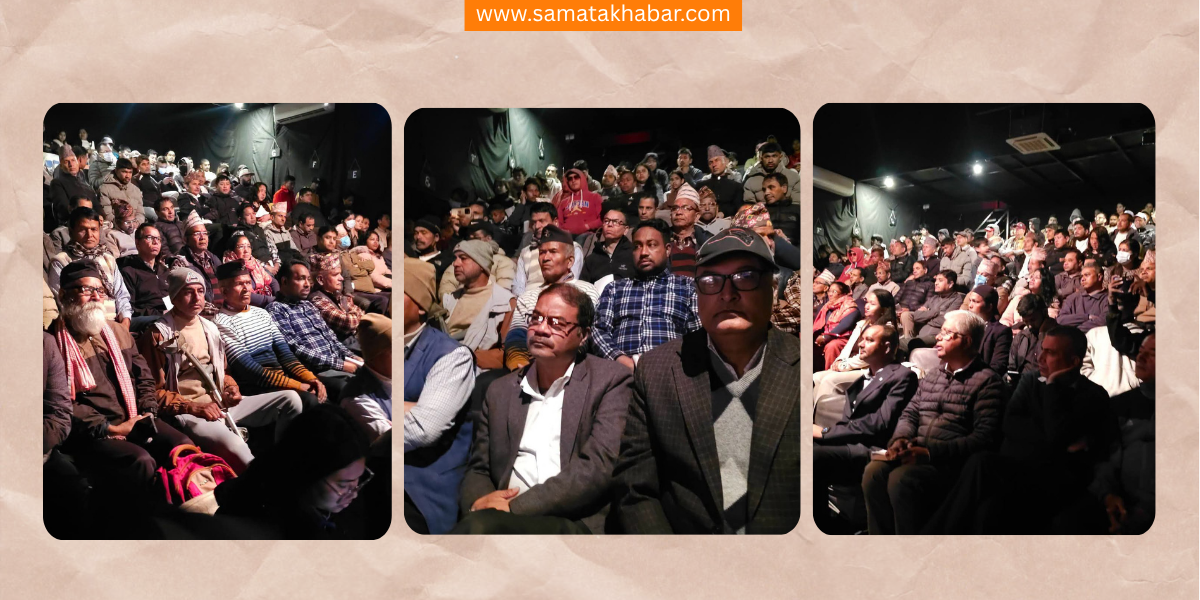
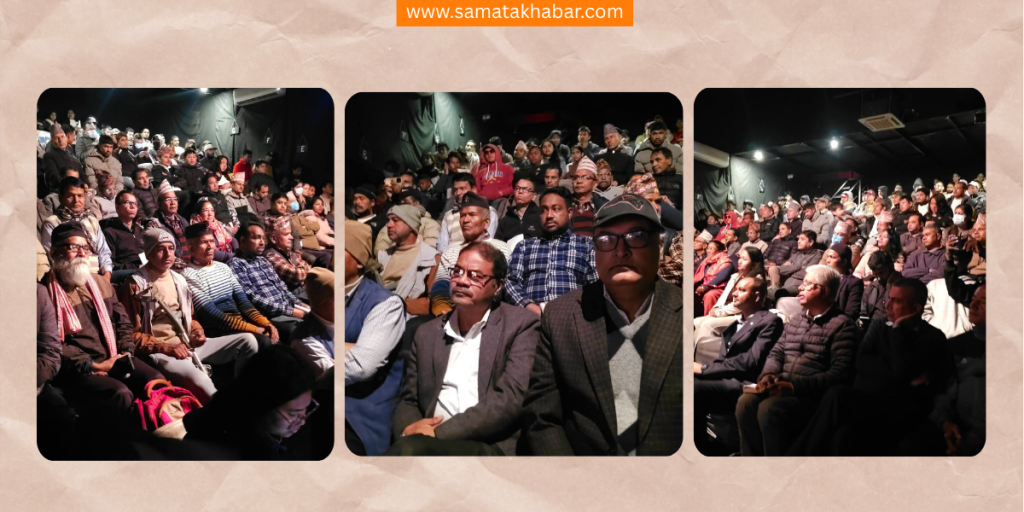 Intellectual Discourse on Caste System and Cultural Transformation Held at Shilpee Theatre