

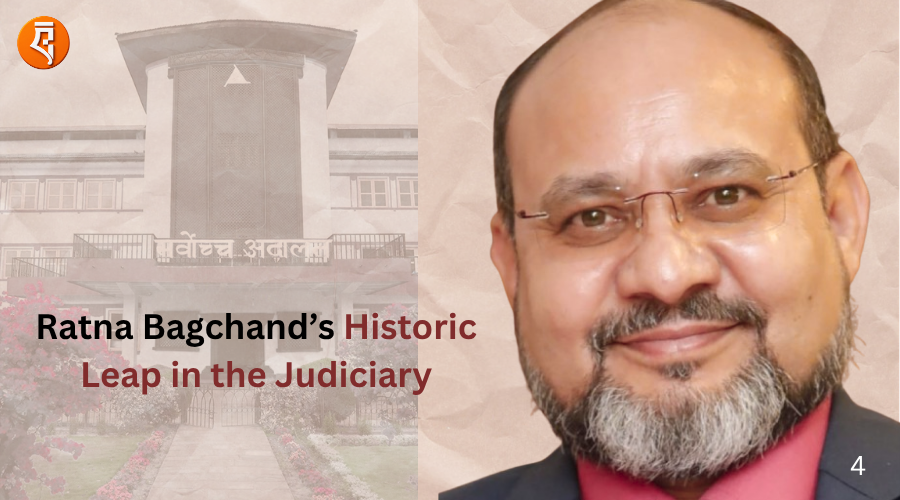
Kathmandu : Dr. Ratna Bahadur Bagchand, who made judicial history in 2066 BS by becoming the first person from the Dalit community to be appointed as a judge, is now on the verge of becoming a Supreme Court justice.
Bagchand, currently serving as the Chief Judge of the Pokhara High Court, has been recommended for appointment as a justice of the Supreme Court. If his appointment is approved, he will become the first Dalit justice of Nepal’s Supreme Court.
Born on Bhadra 14, 2026 BS, in Dhangadhi, Bagchand began practicing law as an advocate at the Supreme Court in 2050 BS. He spent more than 15 years working in public interest litigation and human rights advocacy.
His academic and professional background extends beyond Nepal. In 2058 BS, he completed a diploma course in Copenhagen, Denmark, focusing on international legal mechanisms for the domestication of human rights. He later earned a master’s degree in International Development and Social Change from Clark University in Massachusetts in 2066 BS. In 2077 BS, he completed a PhD at Nepal Sanskrit University on the judgment enforcement system.
Bagchand entered judicial service in 2066 BS and subsequently served as a judge in Nepalgunj, Surkhet, Patan, Tulsipur and Biratnagar, among other places. He has also served as chief judge at High Court benches in Baglung, Jumla, Dhankuta, Nepalgunj and Birgunj. He is currently the Chief Judge of the Pokhara High Court and has served in 11 courts.
Bagchand’s judicial journey represents two distinct milestones in Nepal’s efforts toward greater inclusion in the judiciary. His appointment as a judge in 2066 BS opened the door to Dalit representation at the judicial level. His current recommendation for the Supreme Court marks a potential second milestone at the country’s highest court.
The development also raises a broader question: if justice is expected to be equal for everyone, how representative are the institutions responsible for delivering justice of Nepal’s diverse society?
If approved, Bagchand’s appointment would mark a significant chapter in Nepal’s judicial history, while also placing the issue of inclusive representation within the judiciary firmly in the spotlight.
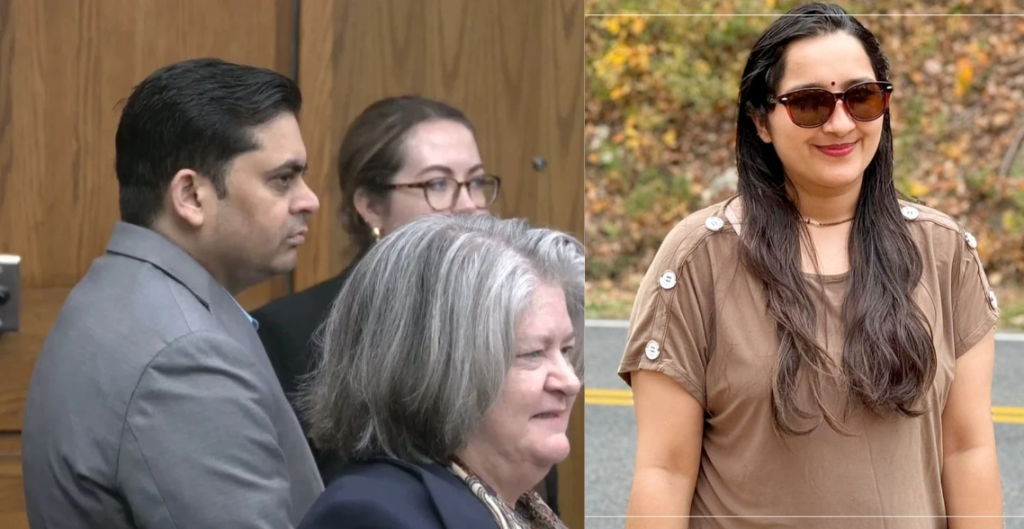 Naresh Admits Using a Saw to Dismember and Dispose of Wife Mamata’s Body
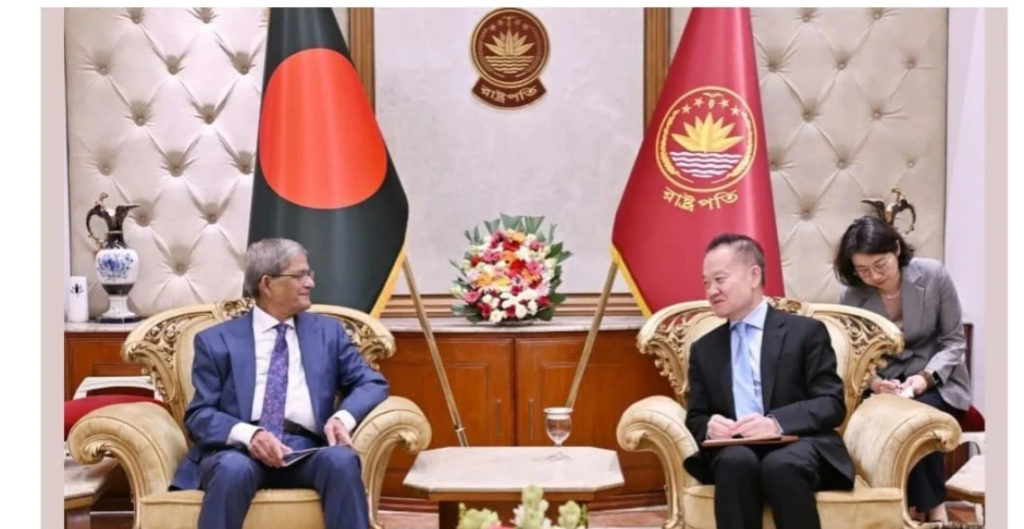 China and Bangladesh Pledge to Stand Together Despite Global Changes
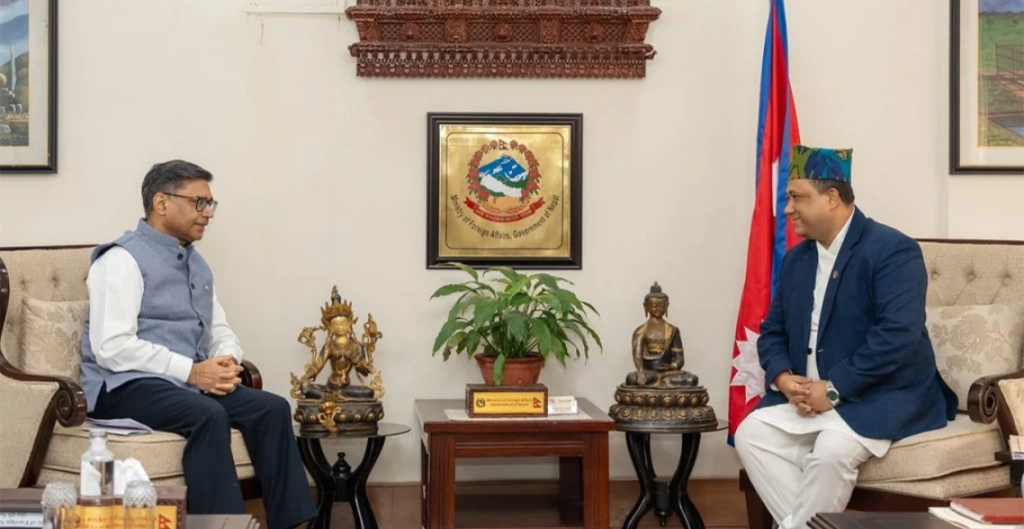 Foreign Minister Khanal Holds Talks with Indian Foreign Secretary Misri
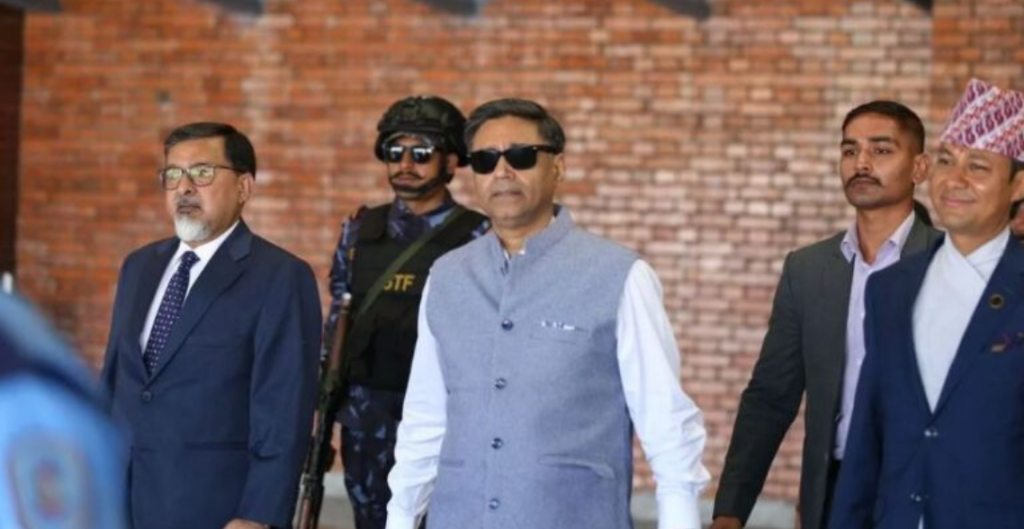 Indian Foreign Secretary Arrives in Kathmandu
 Russian Bombing of School Serving as Aid Centre Kills 33 in Ukraine
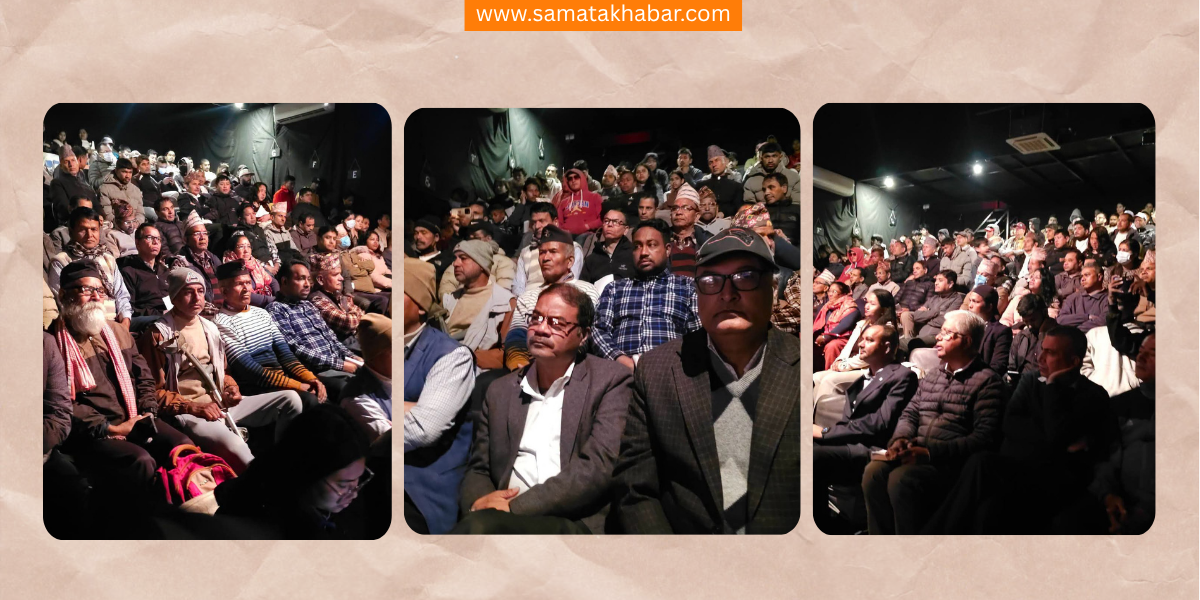
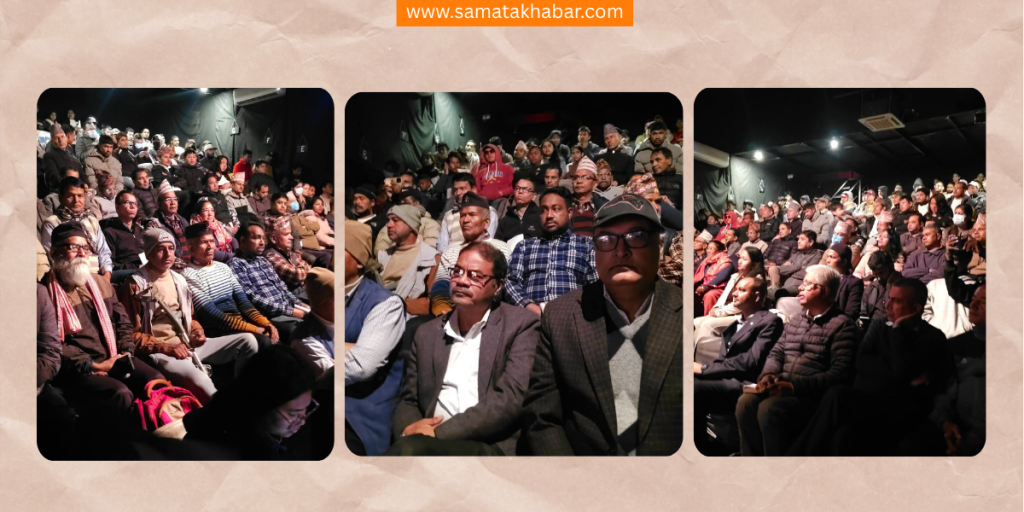 Intellectual Discourse on Caste System and Cultural Transformation Held at Shilpee Theatre