




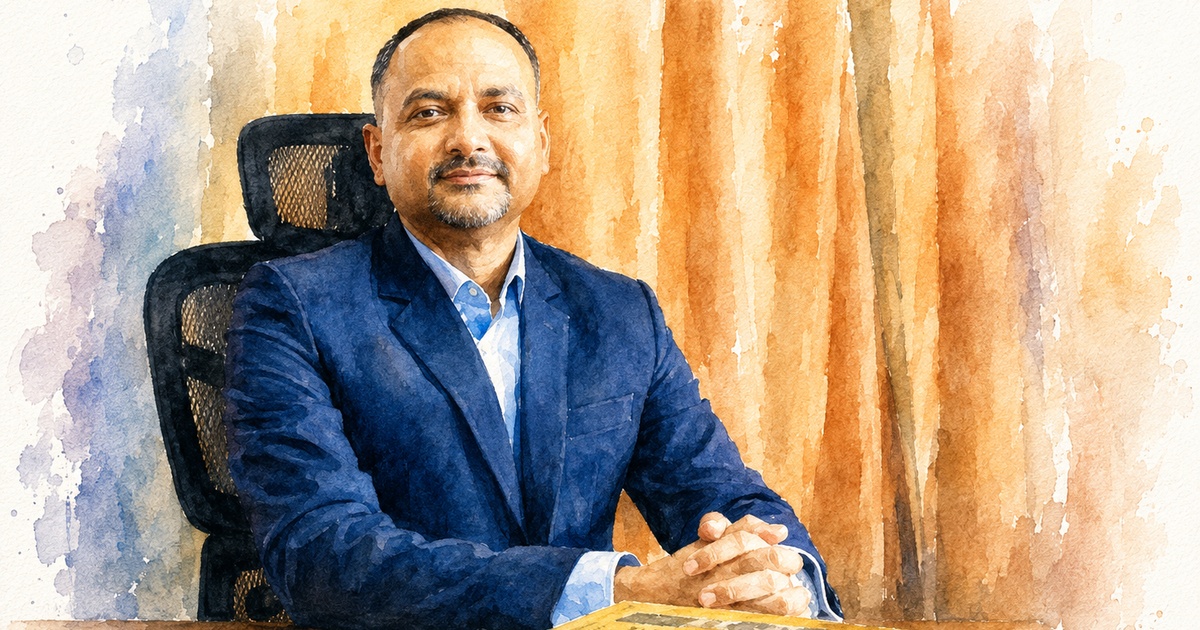
An experience recently shared on Facebook by Pradeep Pariyar, head of the Dalit Lives Matter Global Alliance, has once again brought a deep reality of Nepal to the surface.
Nepalis boarding flights abroad with the moon-and-sun national flag draped over their shoulders, and Nepalis returning home in wooden coffins.
The same country. The same society. Yet two very different journeys.
On one side, the body of a Nepali youth who died under mysterious circumstances in Dubai arrives in Kathmandu. Along with the body, a family’s dreams, hopes and future return frozen inside a coffin.
On the other side, young people under the age of 20 stand in line at the airport, preparing to leave for South Korea. Their dreams are to study, work and earn some money—and, if an opportunity arises, eventually move from Korea to Canada, the United States or Australia.
These scenes may appear different, but in reality, they are different pages of the same story.
Unable to see a future in Nepal, young people leave the country. They work hard abroad. Some succeed, some spend years lost in foreign lands, and some return home in wooden coffins, never to come back alive.
A question asked by a taxi driver Pariyar met during his journey is equally revealing:
“After paying taxes, the government will do something for us, won’t it, sir ?”
This is not merely the question of a taxi driver. It is the question of every citizen who pays taxes, works hard and follows the rules.
Where is the state’s trust? What do citizens receive in return for paying taxes? When will an environment be created where people can work in their own country, live with dignity and build a future?
The dream of a Nepali father who has been driving a vehicle in Delhi for 17 years is even more ironic. After spending his entire life working abroad, he now dreams of sending his own sons to Dubai.
We have created a society where one generation works hard abroad and considers it progress if it succeeds in sending the next generation abroad as well.
Going abroad is not wrong. Seeing the world, learning new skills, studying and working are the rights of every citizen. The problem begins when leaving the country becomes a compulsion because people cannot see a future at home.
Today, Nepal’s villages are becoming increasingly empty. Farmlands are being left uncultivated.
Student numbers in schools are declining. Only the elderly and children remain in many villages, while the country’s most energetic generation is standing in queues at airport departure halls.
We often talk about impressive development figures. We speak of economic growth, investment, employment and prosperity. But to see the real picture of development, one only needs to visit the airport.
We need to look into the faces of young people there—to see their excitement, but also understand the uncertainty and compulsion hidden behind their eyes.
A country becomes truly prosperous only when going abroad is a choice for Nepali youth—not a compulsion.
When a young person can see a future while staying in Nepal.
When families do not have to take loans simply to send their sons and daughters abroad.
When planes bringing Nepalis home carry more stories of success than wooden coffins.
And when Nepalis leaving the country with the moon-and-sun flag over their shoulders can proudly say:
“Going abroad is my choice, not my compulsion.”
 Arguments For and Against Reservation
  The Reservation Debate and Social Media Discourse
  The Meaning of Reservation
 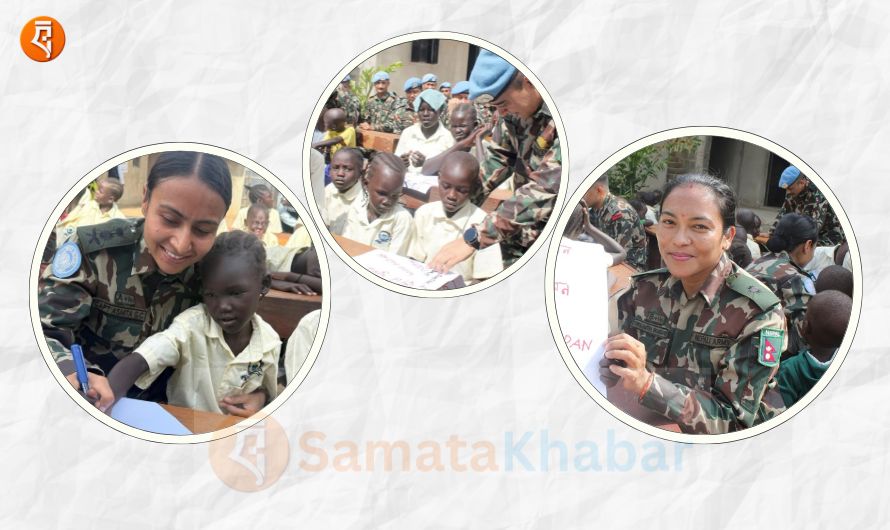 Creative Initiative by Nepali Peacekeepers in South Sudan
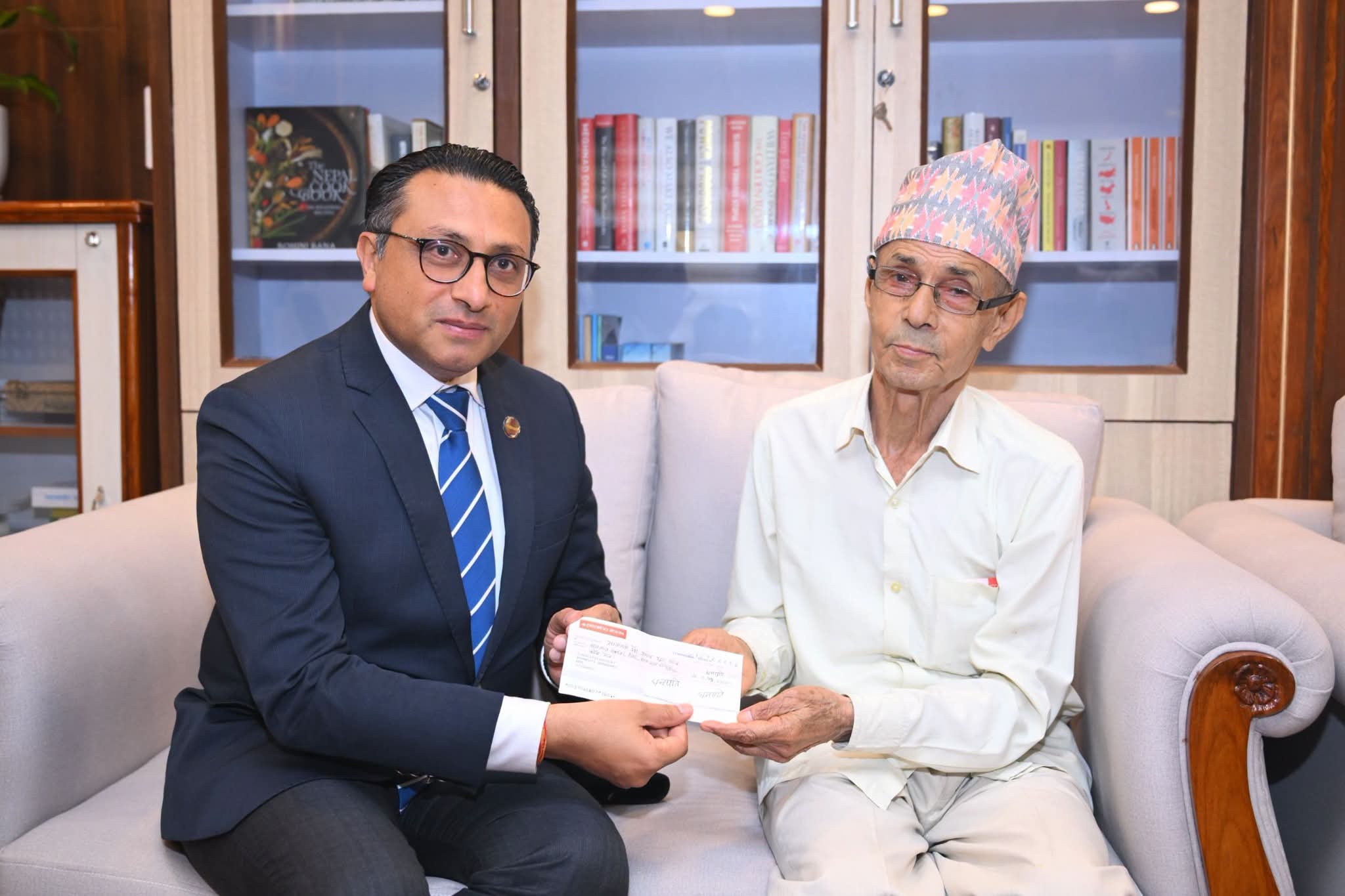
 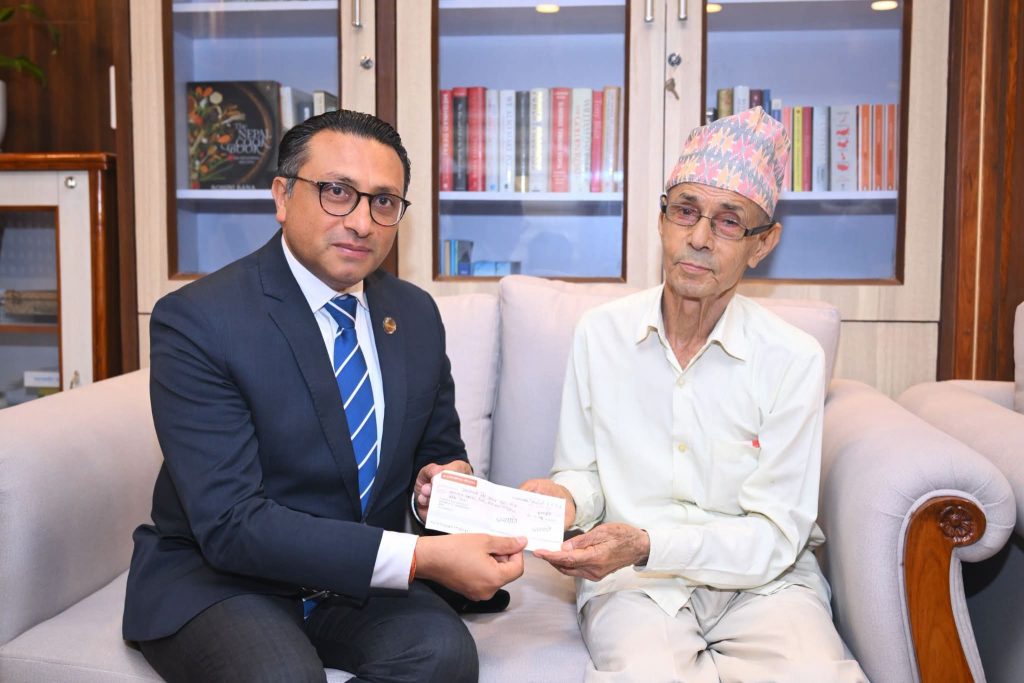 At 78, Dhanapati Bhandari Personally Carries a Cheque to Singha Durbar to Support the Government
 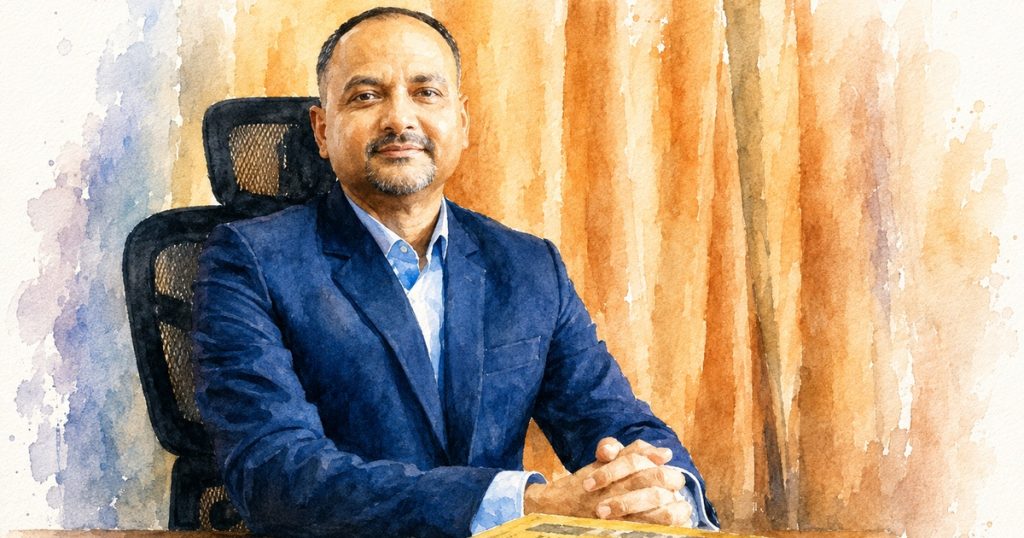 Young People Leaving Under the National Flag, and Those Returning in Coffins
 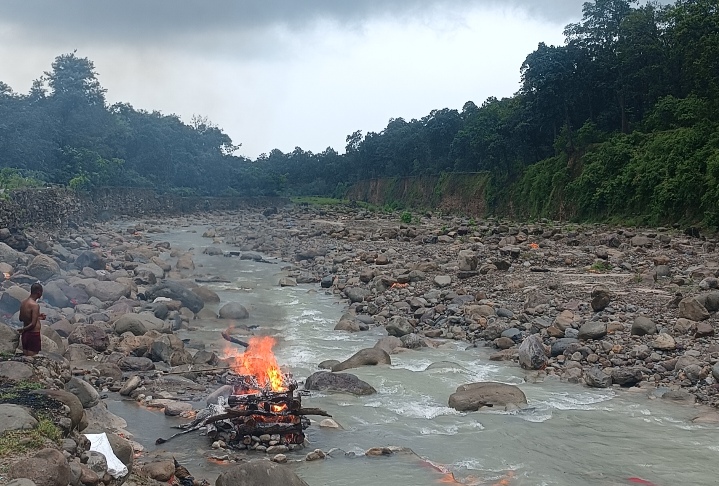 A Powerful Message Against Caste Discrimination: A Chhetri Man Carries a Dalit’s Coffin